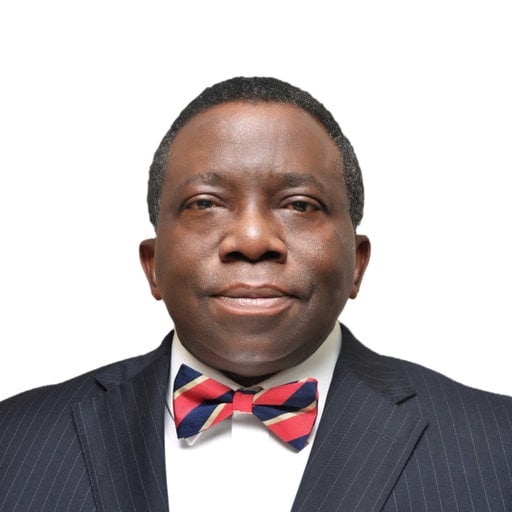
By Chuks Oyema
The appointment of former Minister of Health and ex-Vice Chancellor of the University of Ibadan, Prof. Isaac Adewole, as Nigeria’s envoy to Canada has generated considerable interest within diplomatic and policy circles. Beyond the symbolism of appointing a respected academic and administrator, analysts say the development could reflect a broader strategy by Nigeria to reposition its foreign missions with individuals who possess strong professional credibility and international networks.
Canada represents one of Nigeria’s most important diplomatic and economic partners in North America. Relations between the two countries span several sectors including education, trade, immigration, health cooperation and development assistance. The Nigerian diaspora in Canada has also grown significantly in recent years, making the mission in Ottawa one of Nigeria’s most strategically important diplomatic posts.
Within this context, Adewole’s background in academia and public health could prove particularly relevant. Canada is globally recognised for its strong health research institutions and advanced healthcare systems.
Nigeria has, for years, sought deeper partnerships with Canadian institutions in areas such as medical training, disease control, pharmaceutical research and public health management.
Adewole’s professional experience as a professor of obstetrics and gynaecology and his leadership role in Nigeria’s health sector could therefore create opportunities for expanded collaboration between Nigerian universities, health institutions and Canadian research bodies. His academic standing may also help strengthen existing exchange programmes between Nigerian and Canadian universities.
Beyond healthcare cooperation, education diplomacy is another area where his experience could play a role. Canada remains a top destination for Nigerian students pursuing higher education abroad.
With thousands of Nigerians enrolled in Canadian universities annually, diplomatic engagement increasingly involves educational partnerships, student mobility and research collaboration.
As a former Vice Chancellor of the University of Ibadan, Adewole is well positioned to engage Canadian universities and research institutions on partnerships that could benefit Nigeria’s higher education sector. Analysts note that academic diplomacy has become an important tool for strengthening international relations, especially between countries with strong educational ties.
Another major factor shaping Nigeria-Canada relations is migration and diaspora engagement. Canada has become one of the leading destinations for skilled Nigerian professionals under various immigration programmes. This growing community has contributed significantly to Canada’s economy while also maintaining strong links with Nigeria through remittances, investment and professional networks.
Managing diaspora relations is therefore an increasingly important responsibility for Nigeria’s diplomatic missions. An envoy with a reputation for administrative discipline and public sector experience may help improve engagement between the Nigerian High Commission and the diaspora community, particularly in addressing consular services, documentation and investment facilitation.
Trade and investment cooperation is another dimension of the bilateral relationship that may receive renewed attention.
Canada has strong capabilities in mining, energy, agriculture, technology and infrastructure development—sectors where Nigeria seeks increased foreign investment. Diplomatic missions play a critical role in promoting economic diplomacy, facilitating business partnerships and encouraging investors to explore opportunities in Nigeria.
However, observers say success in this area will depend on how effectively Nigeria’s foreign missions align diplomatic engagement with the country’s broader economic priorities. In recent years, Nigerian diplomats have increasingly been expected to function not only as political representatives but also as promoters of trade, investment and economic partnerships.
There is also a wider policy context surrounding Nigeria’s diplomatic appointments. In 2023, the administration of Bola Ahmed Tinubu recalled Nigeria’s ambassadors and high commissioners across the world as part of a review of the country’s foreign service structure. Since then, many Nigerian missions have been led by chargé d’affaires pending the appointment of new envoys.
Against this backdrop, the selection of individuals with strong professional records is seen by analysts as part of a broader effort to strengthen Nigeria’s diplomatic representation and restore momentum in key international relationships.
For Nigeria, Canada represents not only a political partner but also a gateway to broader cooperation with North American institutions in areas such as research, innovation, technology and education. The effectiveness of Nigeria’s representation in Ottawa could therefore have implications beyond traditional diplomacy.
Ultimately, Adewole’s potential deployment would be judged by how successfully he translates his administrative experience and professional credibility into tangible diplomatic outcomes—particularly in deepening education partnerships, strengthening diaspora engagement and expanding economic cooperation between Nigeria and Canada.