By Chuks Oyema-Aziken
Civil society organisations have renewed calls for a comprehensive review of genetically modified organism (GMO) approvals and biosafety regulations in Nigeria, warning that current frameworks may undermine biodiversity, food sovereignty and indigenous farming systems.
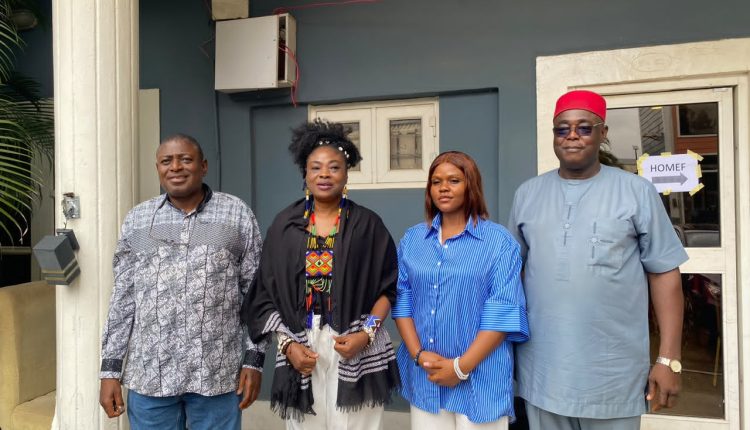
The call was made at a capacity-building workshop organised by the Health of Mother Earth Foundation (HOMEF) in collaboration with the Corporate Accountability and Public Participation Africa (CAPPA).
Participants at the gathering raised concerns over the increasing influence of biotechnology-driven agriculture in Nigeria, arguing that food policy decisions should prioritise ecological sustainability and the welfare of local farming communities.
They stressed that Nigeria’s indigenous seeds and traditional crops remain a critical part of the country’s agricultural heritage and must be protected from policies that could erode their use.
One of the key voices at the event, HOMEF Executive Director Nnimmo Bassey, cautioned against over-reliance on external agricultural technologies, insisting that Nigeria must take responsibility for protecting its food systems.
Bassey said food security should not be pursued in ways that compromise environmental integrity or place control of seed systems in the hands of external interests.
He emphasised that protecting indigenous seeds and farming knowledge is central to building a resilient and sustainable food future for the country.
At the end of the workshop, Associate Director of CAPPA, Ogunlade Olamide Martins, presented a communiqué outlining the collective resolutions of participants.
Martins said stakeholders agreed on the need for a comprehensive review of GMO approvals and biosafety governance structures currently in place in Nigeria.
He added that participants demanded stronger transparency mechanisms, wider public participation and independent scientific assessments in all biosafety-related decisions.
The communiqué also called for a suspension of new GMO approvals pending long-term, independent and peer-reviewed studies covering health, environmental, agricultural performance and socio-economic impacts.
Participants further recommended that any future approvals must be preceded by rigorous feeding trials and environmental impact assessments to ensure safety and sustainability.
The stakeholders also urged government to strengthen legal protections for farmers’ rights to save, exchange and reuse indigenous seeds without restrictions, while increasing investment in agroecological research and farmer training.
Speaking at the closing session, HOMEF Programme Director Joyce Brown said Nigeria is at a defining crossroads in determining its agricultural and food security pathway.
She noted that while agroecology is being promoted as a sustainable alternative, there is also growing pressure to adopt GMO-based agricultural systems.
Brown stressed that Nigeria cannot remain undecided on such a critical issue, adding that a clear policy direction is necessary to address food insecurity and climate change challenges.
The participants collectively maintained that efforts to increase food production must not come at the expense of biodiversity conservation, environmental health and the rights of smallholder farmers, insisting that a sustainable future depends on prioritising people and the planet.