From Cyriacus Nnaji, Lagos
A Professor of Paediatrics (Neonatology) at the Faculty of Clinical Sciences, Lagos State University College of Medicine, Professor Elizabeth Aruma Disu, has called for the equitable distribution of the Federal Government’s approved ₦32 billion Basic Health Care Provision Fund (BHCPF) to strengthen primary healthcare facilities and improve maternal and newborn survival across Nigeria.
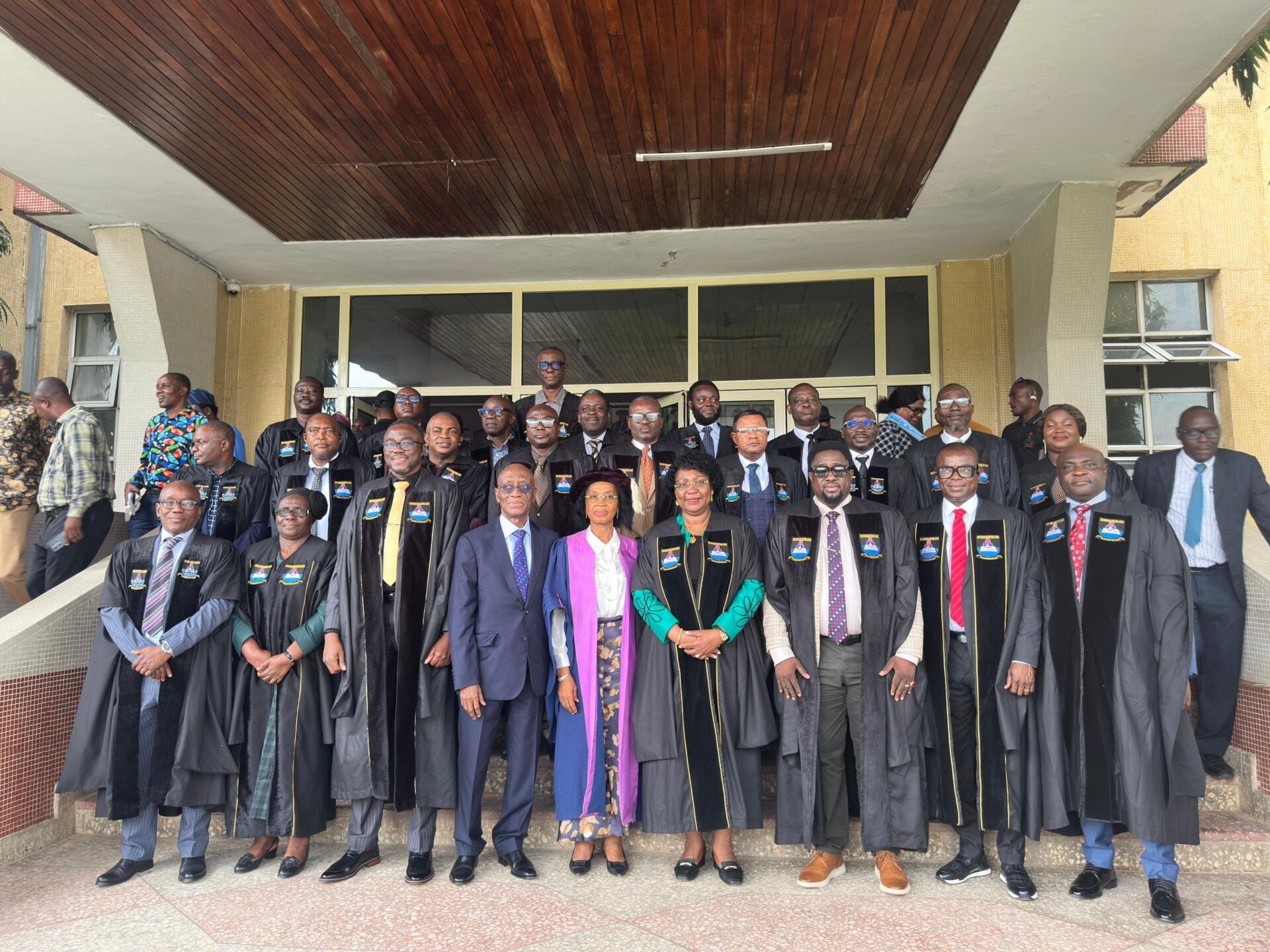
Disu made the call on Tuesday while delivering the 124th Inaugural Lecture of Lagos State University (LASU) at the institution’s main campus in Ojo, Lagos. The lecture was titled, “Help! Baby Is Not Breathing! Answering The Call For Survival Of The Nigerian Newborn.”
She noted that the ₦32 billion fund, approved by the Federal Government in 2025, should be sustained and distributed fairly and effectively across all levels of healthcare to improve access to quality maternal and newborn services.
The professor stressed the need to strengthen and fully implement the Basic Health Care Provision Fund, describing it as critical to reducing maternal and neonatal deaths.
She also urged the full implementation of the National Health Act (NHA), lamenting that six years after its enactment, the law has yet to be fully enforced.
According to her, government must ensure effective execution of the Act through adequate funding and the provision of free healthcare services for children, particularly newborns.
“Currently, limited access to funds leads healthcare workers to shift costs to parents. All stakeholders in the health sector must also actively support full implementation of the Act,” she said.
Disu further advocated the expansion of the Maternal and Neonatal Mortality Reduction Innovation and Initiatives (MAMII) programme to place greater emphasis on newborn health interventions.
She said the programme should be revised to explicitly include newborn health in its framework to ensure focused implementation.
The neonatologist also called for increased public awareness of health policies, laws and citizens’ rights, saying this would empower Nigerians to hold government accountable for its commitments to maternal and child healthcare.
She urged greater engagement of healthcare workers, professional bodies, development partners and non-governmental organisations through pre-service and in-service training to strengthen the health system.
According to her, government support is vital to ensure adequate funding for policy dissemination, noting that reliance on donor funding alone is insufficient to sustain infant health programmes.
Disu also recommended improved welfare and retention packages for healthcare workers to address the country’s manpower shortages, strengthened capacity building to enhance the use of existing health tools and policies, and incentives for personnel working in critical care units such as Neonatal Intensive Care Units (NICUs) and Intensive Care Units (ICUs).
She further advocated the integration of Traditional Birth Attendants (TBAs) into the formal healthcare system through proper categorisation, training and regulation, arguing that their involvement could help bridge existing manpower gaps if properly structured.
Other recommendations included ensuring transparent utilisation of the Basic Health Care Provision Fund, effective implementation of the National Health Act, and promoting Early Childhood Development programmes to secure long-term health and developmental outcomes for Nigerian children.