By Mercy Aikoye
The House of Representatives has commenced legislative consideration of 13 commerce-related bills aimed at strengthening Nigeria’s trade and commercial environment, with the proposed domestication of the African Continental Free Trade Area (AfCFTA) Agreement emerging as the centrepiece of the exercise.
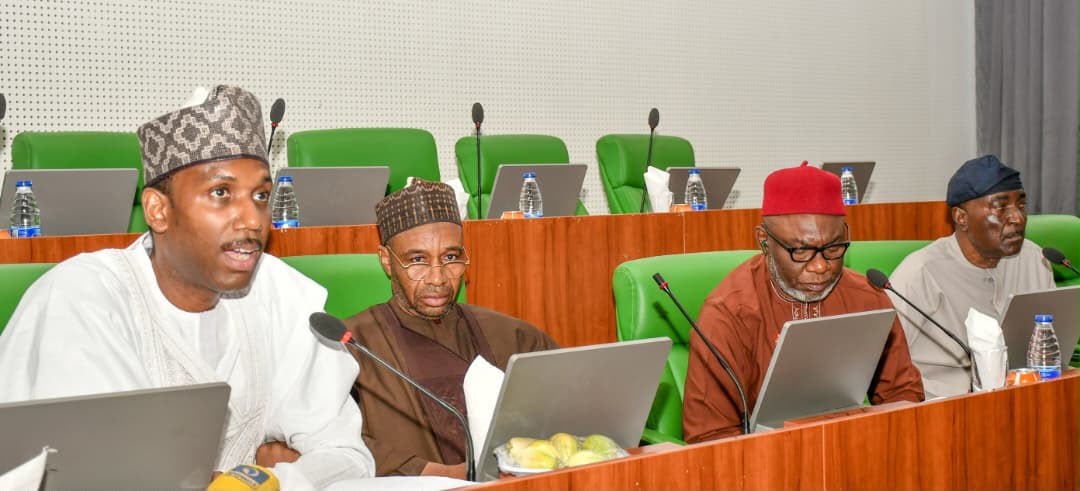
Speaking at a public hearing organised by the House Committee on Commerce in Abuja on Monday. Speaker of the House, Hon. Tajudeen Abbas, represented by the Deputy Chief Whip, Hon. Isiaka Ibrahim, said the proposed legislation would improve the ease of doing business, eliminate regulatory bottlenecks, attract investment and promote sustainable economic growth.
Abbas said the bills align with the 10th House Legislative Agenda and are designed to create a more competitive business environment while supporting President Bola Tinubu’s Renewed Hope Agenda through reforms that encourage entrepreneurship, industrial growth, export expansion and job creation.
He urged stakeholders to make meaningful contributions during the public hearing, noting that their recommendations would help produce laws that reflect current economic realities, promote fair competition, protect legitimate business interests and strengthen Nigeria’s commercial framework.
Minister of Industry, Trade and Investment, Dr. Jumoke Oduwole, called for the speedy passage of the AfCFTA Domestication Bill, describing it as critical to enabling Nigeria to maximise the opportunities presented by the continental free trade agreement.
According to the minister, the AfCFTA market of more than 1.4 billion people and a combined Gross Domestic Product exceeding $3 trillion offers significant opportunities for Nigerian businesses to expand exports, attract investment, create jobs and deepen regional value chains, but requires a strong domestic legal framework for effective implementation.
Chairman of the House Committee on Commerce, Hon. Ahmed Munir, said the committee was considering the 13 bills to modernise commercial laws, strengthen professional regulation and improve Nigeria’s competitiveness. He explained that the proposals cover trade expansion, digital commerce, institutional reforms and amendments to key commercial laws, including the Nigerian Export Promotion Council Act, the Sale of Goods Act and the Price Control Act.
Munir assured stakeholders that the committee would carefully consider all submissions before concluding work on the bills, stressing that the objective is to enact legislation that promotes investment, innovation and private sector growth while positioning Nigeria to compete more effectively in regional and global markets.