By Mercy Aikoye
The Federal Government’s ongoing reforms in the maritime sector may be yielding results, as the Nigerian Ports Authority (NPA) recorded double-digit growth in cargo throughput, vessel traffic and container movement in the second quarter of 2026.
The NPA, in its Q2 2026 performance report, said total cargo throughput rose by 12.3 per cent to 35.7 million metric tonnes from 31.8 million metric tonnes recorded in the corresponding period of 2025.
The development came amid renewed efforts by the Federal Government and the NPA to modernise port infrastructure, streamline operations and position Nigeria as a major maritime hub in West and Central Africa.
Outward cargo recorded the strongest growth during the period, increasing by 22 per cent, while inward cargo rose by 7.7 per cent.
The authority said the increase in outward cargo reflected improved export activities and growing confidence in the country’s maritime trade environment.
The number of ocean-going vessels calling at Nigerian ports also increased significantly during the quarter.
According to the NPA, vessel calls rose by 14.4 per cent from the corresponding period of 2025 to 1,201, while Gross Registered Tonnage increased by 22.2 per cent to 49.95 million tonnes.
Container traffic similarly rose by 11.3 per cent to 602,392 TEUs.
The authority also recorded 29,038 TEUs of transshipment containers during the quarter, as well as 488,364 metric tonnes of bulk transshipment cargo.
The emergence of transshipment traffic, the NPA said, represents an important step towards realising Nigeria’s ambition of becoming a regional maritime hub.
Vehicle traffic through the nation’s ports also recorded an 18.3 per cent increase, rising to 44,147 units.
The NPA attributed the growth partly to relative stability in the foreign exchange market, which it said supported import activities during the period.
Service boat operations also increased by 22.3 per cent in Q2.
The NPA Managing Director, Dr Abubakar Dantsoho, said the latest figures demonstrated the resilience of Nigeria’s seaports despite the challenges confronting the maritime sector.
“The increase in cargo volumes and ship calls underscores the continued resilience of the nation’s seaports,” Dantsoho said.
He said the reforms being implemented by the authority were enhancing the competitiveness of Nigerian ports and creating an environment capable of attracting more trade and investment.
Dantsoho added that the growth in transshipment traffic showed that Nigeria had the capacity to serve as a gateway to neighbouring countries.
As part of efforts to consolidate the gains, the NPA said it would intensify the modernisation of ageing port infrastructure across the country.
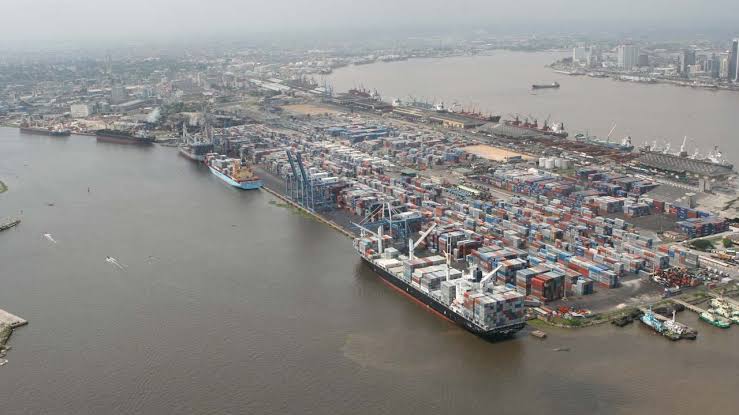
Dantsoho disclosed that Apapa and Tin Can Island ports, which are nearly 100 and 50 years old respectively, would undergo major modernisation to bring their facilities in line with contemporary international standards.
The authority is also supporting the development of the Lekki and Badagry deep-sea ports, while efforts are underway to revive Eastern ports.
The move, according to the NPA, is aimed at expanding cargo-handling capacity, reducing pressure on the Lagos ports and improving the efficient movement of goods across the country.
The authority is also accelerating the implementation of the Port Community System as part of its digitalisation agenda.
The system is expected to integrate with the National Single Window, which became operational in the first quarter of 2026, to reduce paperwork and eliminate unnecessary manual processes in port operations.
The NPA said the initiative would help reduce bottlenecks, lower logistics costs, improve transparency and make Nigerian exports more competitive in the international market.
The NPA said the growth recorded across most of its key performance indicators in Q2 2026 was an indication that the sector was moving in the right direction.
It said sustained investment in infrastructure, deeper engagement with shipping lines and continued implementation of reforms would be critical to consolidating the gains and transforming Nigeria into a regional maritime hub.
Dantsoho assured stakeholders that the impact of the reforms would become increasingly visible, saying, “Stakeholders should expect visible progress on the ground.”