By Chesa Chesa
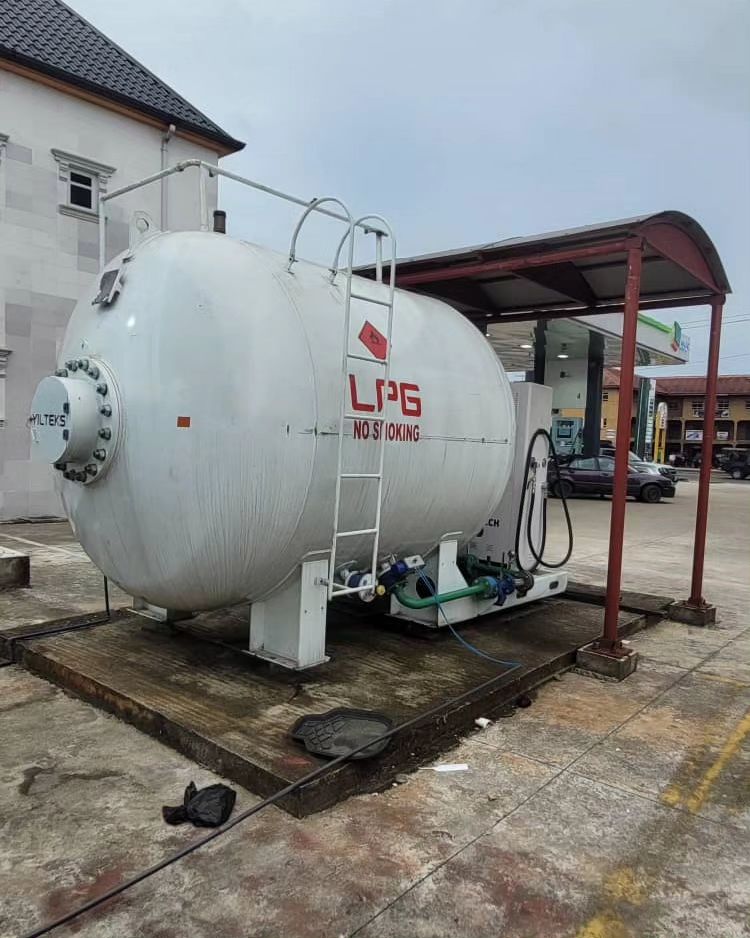
The Federal Government has raised its target for households to transition to Liquefied Petroleum Gas (LPG) from one million to five million by 2030 as part of efforts to expand clean cooking access nationwide.
The new target was announced at the inaugural meeting of the Nigeria Mission 300 Clean Cooking Technical Working Group, convened by the Compact Delivery and Monitoring Unit (CDMU) in Abuja.
The meeting brought together government agencies, development partners, financial institutions, private-sector operators and civil society organisations to establish a national platform for coordinating clean cooking initiatives.
The Federal Ministry of Petroleum Resources (Gas), represented by Engr. Raphael Chinda, said the LPG strategy would focus on affordability, availability, accessibility and adaptability.
The revised target covers all 774 local government areas, with micro-distribution centres and cylinder distribution campaigns expected to expand access, particularly in underserved communities.
The meeting also unveiled a draft five-year financing requirement of $32.8 billion for universal clean cooking and electricity access, including $1.2 billion specifically for clean cooking.
Of the clean cooking allocation, about $400 million is expected from government and concessional sources, $650 million from the private sector and $150 million from carbon finance.
Participants said carbon finance could provide an important non-debt funding source, noting that Nigeria has already issued about 20 million carbon credit units, largely from biomass cookstove projects.
The Mission 300 CDMU presented LPG as the primary clean cooking pathway, with improved cookstoves as the second priority for rural and low-income communities, while electric cooking, bioethanol and biogas would complement the strategy.
The Working Group identified eight priority areas, including LPG expansion, improved cookstoves, complementary technologies, policy and standards, financing, behaviour change, gender inclusion, and data monitoring.
Participants also called for stronger institutional coordination, harmonised clean cooking data, increased private-sector investment and commercially sustainable models for improved cookstoves.
The Working Group is expected to finalise its governance structure and work plan while developing financing mechanisms and differentiated strategies for urban, peri-urban and rural communities.