By Jane Okeke
The Independent National Electoral Commission (INEC) and Yiaga Africa have stepped up attention on the threat of artificial intelligence to Nigeria’s 2027 general elections, with INEC Chairman, Prof. Joash Amupitan, SAN, insisting that technology must never replace the will of voters.
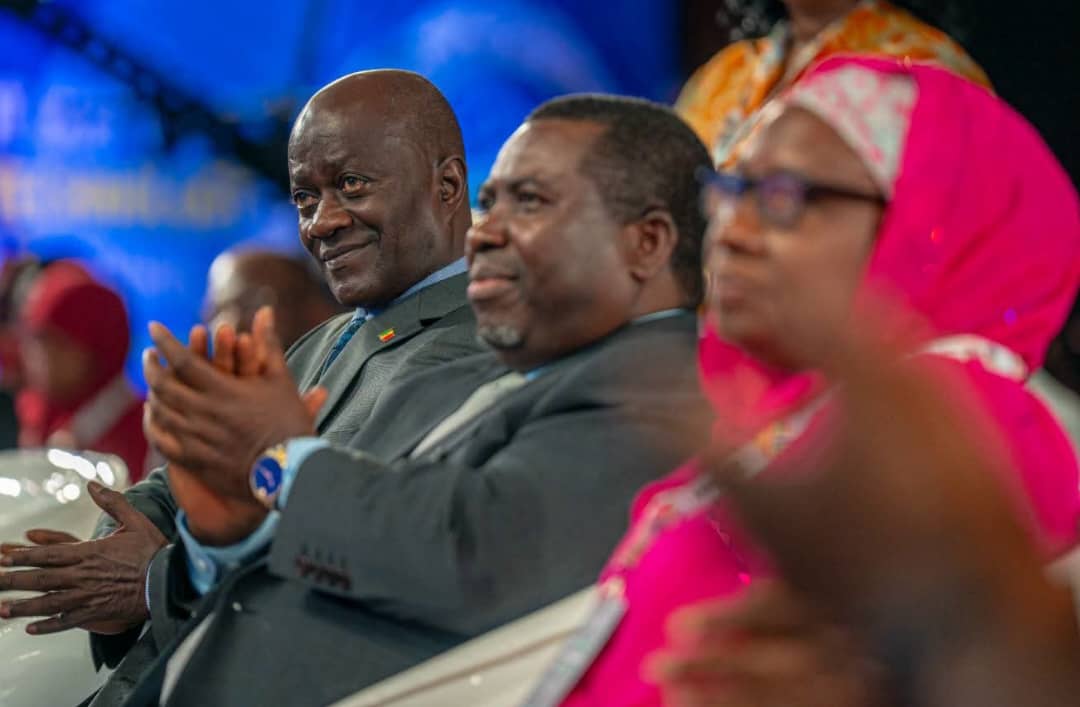
Amupitan stated this on Wednesday in Abuja at the Artificial Intelligence and Democracy Forum 2026, co-convened by INEC and Yiaga Africa under the theme, “Safeguarding the 2027 General Elections in the Age of Artificial Intelligence.”
He warned that although AI could influence political information, election logistics and voter choices, the technology must remain subject to human judgment and democratic institutions. According to him, algorithms may predict patterns and suggest preferences, but they cannot exercise the right to vote or determine who governs Nigeria.
The INEC chairman described the 2027 polls as Africa’s largest democratic exercise, involving more than 103 million registered voters across 176,846 polling units in 774 local government areas. The elections will cover presidential, National Assembly, governorship and state Houses of Assembly contests.
On preparations, Amupitan disclosed that INEC had completed 10 of its 14 major operational milestones under the Electoral Act 2026. He also highlighted additional Bimodal Voter Accreditation System devices, digital candidate nominations and the processing of more than 15,000 nominations across 22 political parties as part of the commission’s preparations.
He said AI could improve election logistics, route planning, result auditing, biometric database management, multilingual voter engagement and cybersecurity. However, he maintained that critical electoral functions, including voter accreditation, result collation and candidate qualification, would not be fully automated or handed over to autonomous systems.
Amupitan identified deepfakes, synthetic media, targeted political advertising, algorithmic bias and automated cyberattacks as potential threats to the credibility of the 2027 elections. He stressed that human accountability, statutory oversight and judicial review must remain central to the electoral process.
The forum brought together electoral officials, political parties, civil society organisations, media executives, security agencies, technology companies and international development partners to examine ways of safeguarding democratic processes against emerging AI-related risks ahead of the 2027 polls.