By Peter Kelly
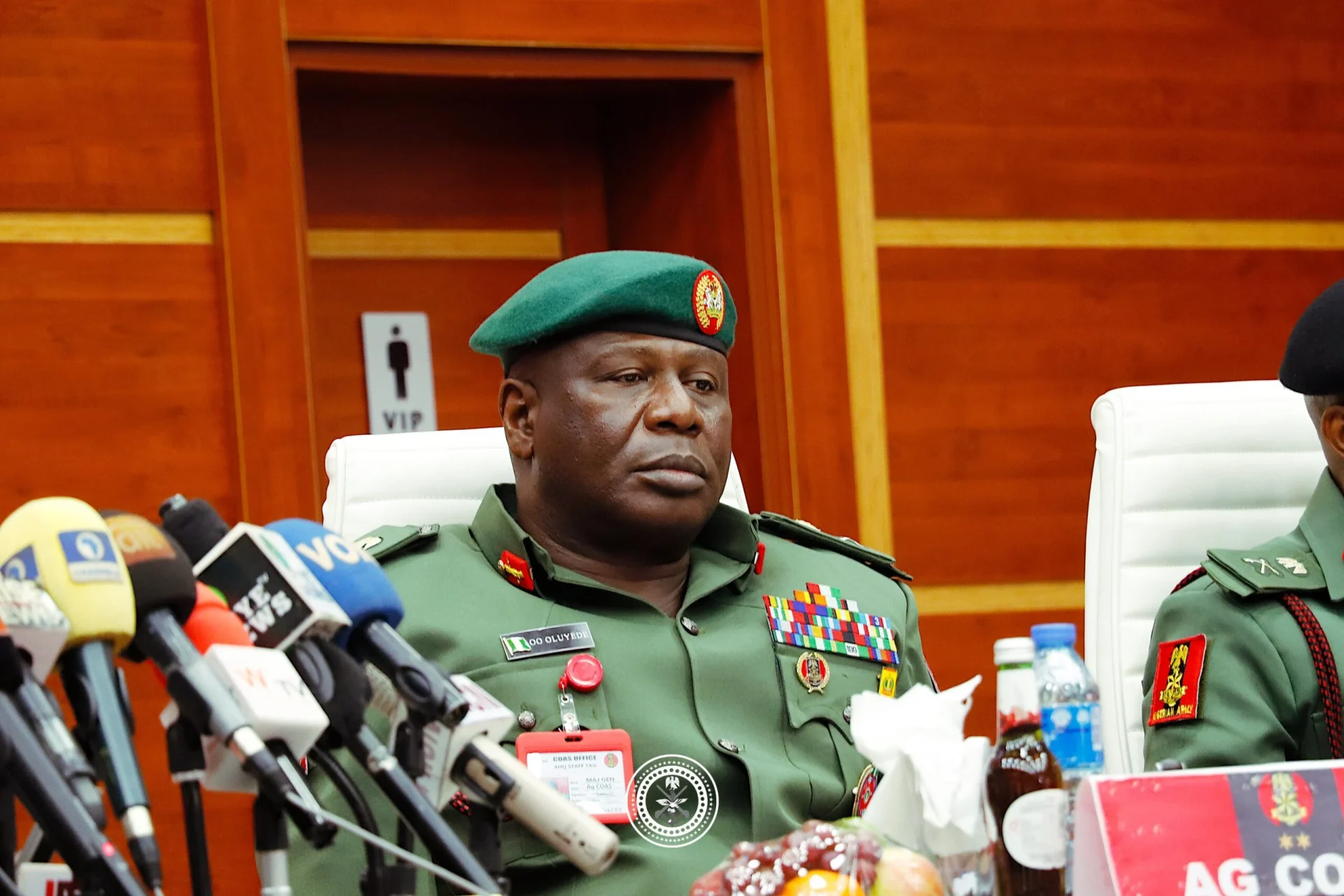
An award means more when it comes from people who follow your work closely and are in a position to assess its impact. For General Olufemi Olatubosun Oluyede, the Chief of Defence Staff, the recognition by the Defence Correspondents Association of Nigeria (DECAN) is a reminder of the responsibility he carries at a time when Nigerians are looking up to the Armed Forces for greater protection against insecurity. It is an honour that draws attention to his leadership and the efforts being made to strengthen the country’s military response to its security challenges.
General Oluyede received the recognition at the DECAN Conference on National Security and Awards 2026, held on Monday, October 12, at the Army Command Officers’ Mess 1, Asokoro, Abuja. The conference, which focused on the theme, “Beyond Kinetic Warfare: Harnessing Technology and Intelligence-Led Operations for Nigeria’s National Security,” provided an opportunity to examine the changing nature of warfare and the demands it places on military leadership.
What makes the award particularly significant is the recognition of Oluyede’s efforts to bring the Nigerian Army, Nigerian Navy and Nigerian Air Force closer in the conduct of military operations. Security threats do not respect the boundaries between military services, as such, tackling them requires more than individual efforts. And by placing emphasis on joint planning, intelligence sharing and coordinated action, the Chief of Defence Staff is pursuing an approach that allows the Armed Forces to combine their strengths in responding to threats across the country.
This direction is important to the security efforts of President Bola Ahmed Tinubu’s administration. The fight against terrorism, banditry, kidnapping and other violent crimes requires sustained pressure on criminal groups, reliable intelligence and cooperation among the institutions responsible for protecting citizens. As the military’s most senior professional officer, General Oluyede has played a central role in coordinating the Armed Forces’ contribution to this national task, leading to improved security, fewer attacks and the ability of communities to live without constant fear.
The military’s operations across different parts of the country also show why coordination matters. In the Northeast, Operation Hadin Kai continues to confront insurgent groups, while Operation Fansan Yamma addresses security threats in the Northwest. These theatres present different challenges, from insurgent networks to armed groups responsible for kidnappings and attacks on rural communities. Sustained intelligence gathering, carefully planned operations and cooperation between ground troops and air assets have contributed to disrupting these groups and reducing their capacity to cause harm.
The rescue of kidnapped victims and the disruption of terrorist hideouts are among the operational outcomes Nigerians want to see from the military. The recent successful rescue missions and strikes against terrorist groups in the Northwest and Northeast offer reasons for encouragement. And for the CSD, Oluyede, the responsibility goes beyond announcing operational successes. It includes ensuring that military formations have the direction, coordination and support required to maintain pressure on criminal groups and protect vulnerable communities.
Another important aspect of his leadership is the attention given to the welfare and professional development of military personnel. The men and women deployed to difficult operational environments face considerable physical and psychological demands as they carry out their duties. Their morale, training, equipment and general well being matter greatly to the effectiveness of any military campaign. A fighting force cannot be expected to deliver consistently when the people on the frontline lack the support they need. His prioritization and attention on personnel welfare is an important part of the wider effort to strengthen military readiness.
General Oluyede also recognises that modern warfare cannot be fought with weapons alone. Intelligence, surveillance, technological innovation and the ability to identify threats before they develop into attacks have become increasingly important to him. He believes that these capabilities can help commanders make better informed decisions, deploy personnel more effectively and respond more quickly to changing situations. The theme of the DECAN conference also captured this reality, and the CDS’s emphasis on technology indicates that Nigeria’s military under him will keep adapting to the methods used by terrorists and other armed groups.
Again, his engagement with defence journalists deserves attention as well. At the conference, Oluyede urged the media to help confront misinformation and fabricated content, including fake material generated through artificial intelligence. False reports about military operations can create unnecessary panic, mislead the public and damage confidence in security institutions. At the same time, accurate and independent reporting remains essential to public accountability. A constructive relationship between the military and the press should therefore be built on timely information, professional conduct and respect for the public’s right to know, without exposing sensitive details that could endanger lives or compromise operations.
Oluyede’s military career has taken him through several command and staff appointments, including service in the Northeast and participation in international missions. That experience has provided him with a useful background to his current role, which he has demonstrated an understanding of military operations as well as the ability to coordinate different services and institutions.
Indeed, the DECAN award is a welcome recognition of General Oluyede’s leadership and the responsibilities he continues to shoulder in the service of Nigeria. His emphasis on cooperation among the services, improved military preparedness, intelligence led operations and the welfare of troops reflects the demands of the security challenges facing the country.
The award is a significant addition to his record of service and a reminder of the expectations that come with the office he holds.
Kelly is a public affairs analyst writing from Jos.