By Chukwuma Okoli & Ndu Nwokolo
Nigeria’s pursuit of SDG 1.2 by 2030 increasingly looks like a forlorn hope. Based on data from the 2026 Global Multidimensional Poverty Index (MPI), halving multidimensional poverty would require the headcount to fall by about three percentage points annually, faster than at any point since 2013. The trend of MPI in Nigeria is alarming. The 2026 MPI showed that the incidence of multidimensional poverty in Nigeria fell from 40.82 per cent in 2016-17 to 33.04 per cent in 2021, then rose sharply to 38.71 per cent in 2024. Thus, between 2021 and 2024, Nigeria’s MPI rose to 0.208 and the headcount to 38.7 per cent. Within a period of three years, an additional 17.9 million Nigerians were pushed into poverty as the number of multidimensionally poor people rose from a little over 72 million to over 90 million. This indicates that much of the progress made after 2016–17 was reversed between 2021 and 2024. If this trend continues, by 2027 an additional 18 to 22 million people would have fallen into poverty, and the number of multidimensionally poor people would have increased to between 108 and 112 million, all other things being equal.
.
Nigeria’s worsening poverty is occurring amid various state reforms aimed at bolstering state capacity to deliver public goods and reduce poverty. For instance, since 1999, Nigeria has progressively removed subsidies on petroleum, ostensibly to free up resources for the delivery of public goods. While efforts to remove the petroleum subsidy have been consistent across successive administrations, poverty reduction programmes have been episodic, with each administration jettisoning programmes of previous ones and commencing new ones. What is clear is that there is an implicit consensus among elites on removal of the petroleumsubsidy, but poverty reduction is yet to galvanise elite commitment. Perhaps this is partly what Stefan Dercon was referring to when he wrote: “Nigeria’s oil-fed bargain is similarly mostly remarkably stable but not developmental” Is poverty in Nigeria a state problem? How does the absence of elite consensus on poverty reduction contribute to the worsening multidimensional poverty in Nigeria? This edition of the Nextier Policy Weekly explains how Nigeria’s worsening MPI is linked to the character of the Nigerian state and the absence of elite consensus on poverty reduction.
Poverty in Nigeria: What the figures reveal
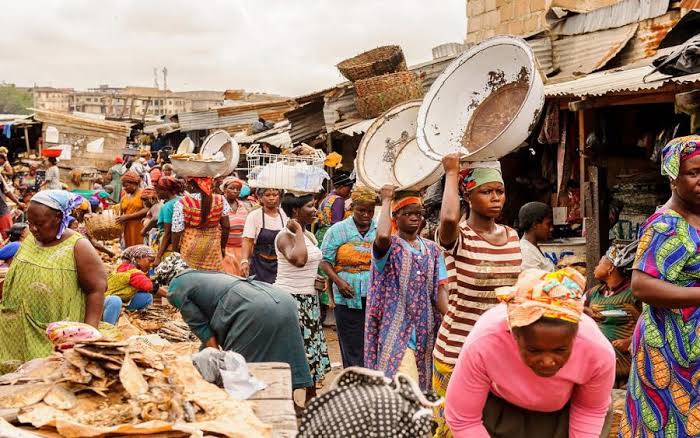
The share of Nigeria’s population that is multidimensionally poor is too large to be ignored. The 2026 global MPI estimates that 113.3 million Nigerians, or 48.7 per cent of the country’s population, are multidimensionally poor. Nigeria’s poverty is more pronounced in rural areas, where a larger proportion (54.3 per cent) of the country’s total population lives. The 2026 MPI shows that 68.9 per cent of rural residents are multidimensionally poor, compared with 24.8 per cent in urban areas; about three-quarters of Nigeria’s poor live in rural areas. Further,the intensity of poverty is higher in rural areas (57.4 per cent) than in urban areas (47.6 per cent).
The number is not just high; a trend analysis of the 2026 global MPI shows that the situation is worsening. Within three years (2021-2024), an additional 17.9 million Nigerians fell into poverty, placing Nigeria as the country with the largest increase in the number of people living in multidimensional poverty in the world. More Nigerians are likely to sink into multidimensional poverty, as an additional 42.2 million, or 18.1 per cent, of Nigerians are classified as vulnerable to multidimensional poverty.
The incidence, intensity and vulnerability to multidimensional poverty vary across different parts of Nigeria. A regional analysis shows that the Northwest has the highest poverty incidence, followed closely by the North-East. At the state level, four states – Sokoto, Kebbi, Yobe and Cross River – require urgent attention. Sokoto has the highest incidence of poverty,with almost 9 out of 10 residents in Sokoto classified as multidimensionally poor. The intensity of poverty is higher in Kebbi and Yobe states, both of which scored 65.8 per cent on average intensity of poverty, meaning that the average poor person in both states is deprived in about two-thirds of the MPI-weighted indicators (Table
Nigeria’s multidimensional poverty is driven largely by poor access to nutrition and education. The 2026 MPI report showed that, nationally, nutrition accounts for over 20 per cent of the MPI, school attendance for about 18 per cent, and years of schooling for about 12 per cent. Education deprivation accounts for about 30.6 per cent of Nigeria’s MPI.
Nigeria’s Conflict Poverty Nexus
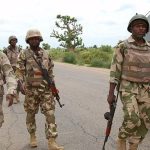
Violent conflicts are a defining feature of Nigeria and interact with various dimensions of poverty. Data from the Nextier Nigeria Violent Conflict Database (NNVCD) show that the northern regions, which record the highest numbers of violent conflict casualties, are also where multidimensional poverty is highest (Figure 2). Moreover, the northern region, which is most affected by conflict, is where most of Nigeria’s food production takes place. Hence, Nigerians’ poor access to nutrition could also be linked to increasing food insecurity arising from violent conflicts in the country’s food-producing regions. Similarly, violent conflict in the North has also contributed to limited access to education. Nextier database shows that between 2020 and 2026, Nigeria has recorded 21 attacks on schools across 14 states, with 2,038 students and 41 school staff abducted.
The State Problem: Why the Nigerian State Has Continued to Fail in Poverty Reduction
The Nigerian state is characterised by two interacting factors which make increasing poverty an inescapable outcome of the state problem. First is the absence of consensus among the ruling elites on the need to address poverty. This absence of elite consensus creates thesecond factor: the absence of governance institutions needed to address the structural drivers of poverty. Since Nigeria’s return to civil rule in 1999, successive administrations have implemented various reforms targeted at addressing poverty. Yet the high incidence of multidimensional poverty in Nigeria suggests that these poverty-alleviation reforms have not led to poverty reduction. The reason is clear: Nigerian elites have no stake in poverty reduction and have failed to reach a consensus on poverty reduction. Consequently, the Nigerian state has pursued poverty reduction through perfunctory, episodic programmes, with each administration designing and implementing them only to end with the administration. As a corollary, many poverty-alleviation programmes fail to address the roots of poverty in Nigeria. As evidenced by the 2026 MPI, the core drivers of poverty in Nigeria revolve around nutrition, education, and rural development. Poor access to nutrition is linked to factors such as insecurity and inadequate agricultural inputs. Similarly, poor access to education is linked to inadequate educational infrastructure and rising insecurity affecting educational institutions, especially in the North. Rural underdevelopment is linked to poor infrastructure, including transportation and energy access. Unfortunately, extant poverty reduction programmes have not paid adequate attention to underlying structural drivers of multidimensional poverty in Nigeria.
Since 1999, the removal of subsidies has been a consistent goal of the Nigerian ruling elites, and by May 2023, in his inaugural speech, President Bola Ahmed Tinubu unequivocally announced an end to fuel subsidy in Nigeria. This very pronouncement became, for the poor, the last straw that broke the camel’s back. For the elites, the complete removal of subsidy was a mission accomplished; it meant more money distributed through the Federation Account Allocation Committee (FAAC). Nigerians expected that savings from subsidy removal would be invested in critical sectors, leading to improved standards of living and access to healthcare and education. Given the current realities of poverty in Nigeria, the expectation that subsidy savings would improve living standards and reduce poverty is fast becoming a forlorn hope.Poverty reduction does not seem to be on the agenda of Nigerian elites’ bargain, and the Nigerian state is failing in this regard.
Recommendations:
i. Rural Development: Government at all levels must devote more resources to the development of the rural areas where the majority of Nigerians reside. Rural development should focus on ensuring affordable electricity and cooking fuel for rural dwellers, developing transportation, and providing basic amenities such as water, sanitation, and health facilities.
ii. Support Agricultural Production: The Nigerian government should support agricultural development across all value chains. Farmers’ access to improved seedlings and storage facilities should be improved through sustainable financing. This would increase yields, reduce post-harvest losses and increase access to nutrition. The lingering farmer-herder conflict and banditry affecting farming communities should also be addressed through both pre-emptive kinetic strategies and soft strategies, including continuous stakeholder engagement.
iii. Increase Access to Education: Address barriers to access to education by investing in infrastructural development that increases students’ proximity to schools, especially in rural areas, in information and communication technology (ICT) that enables online access to education, and in teacher training and welfare.
iv. Strengthen Local Institutions: Local institutions such as town unions, village associations, community associations, and religious institutions should be capacitated to support efforts to address economic shocks and deprivations at the local level. This will go a long way toward addressing drivers of poverty and fragility.
v. Ring-Fence A Percentage of the Subsidy Savings for Social Safety Programmes:A fixed percentage of the funds attributable to subsidy savings distributed through the FAAC allocations should be set aside by each tier of government for social safety programmes with specific line budgets. Social safety programmes should be long-term and integrated into long-term development plans, to be continued by successive administrations irrespective of political party affiliation.
Conclusion
The number of multidimensionally poor people in Nigeria is roughly equal to the combined population of the United Kingdom, Canada, and Ireland. Nigeria’s poverty problem is not a Creatio ex nihilo nor the failure of any one administration; it is a state problem, one in which elites fail to commit to addressing poverty as a problem requiring urgent attention. The Nigerian state must move away from its current episodic poverty-alleviation programmes and commit adequate resources, anchored in an evidence-based, long-term plan, to address the structural drivers of poverty transparently.
(Dr. Chukwuma Okoli is a visiting Lead, Research and Policy at Nextier and a Lecturer at the Political Science Department at Nnamdi Azikiwe University, Awka, Nigeria; while Dr. Ndu Nwokolo is a Managing Partner at Nextier and a reader (Associate Professor) at the Institute for Peace, Security and Development Studies, Nnamdi Azikiwe University, Awka, Nigeria)