By Pwanagba Agabus, Jos
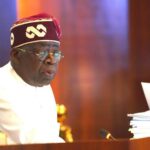
Governor Caleb Mutfwang of Plateau State has warned retrained operatives of the state-owned security outfit, Operation Rainbow, against abuse of power, insisting that they must operate strictly within the confines of the law.
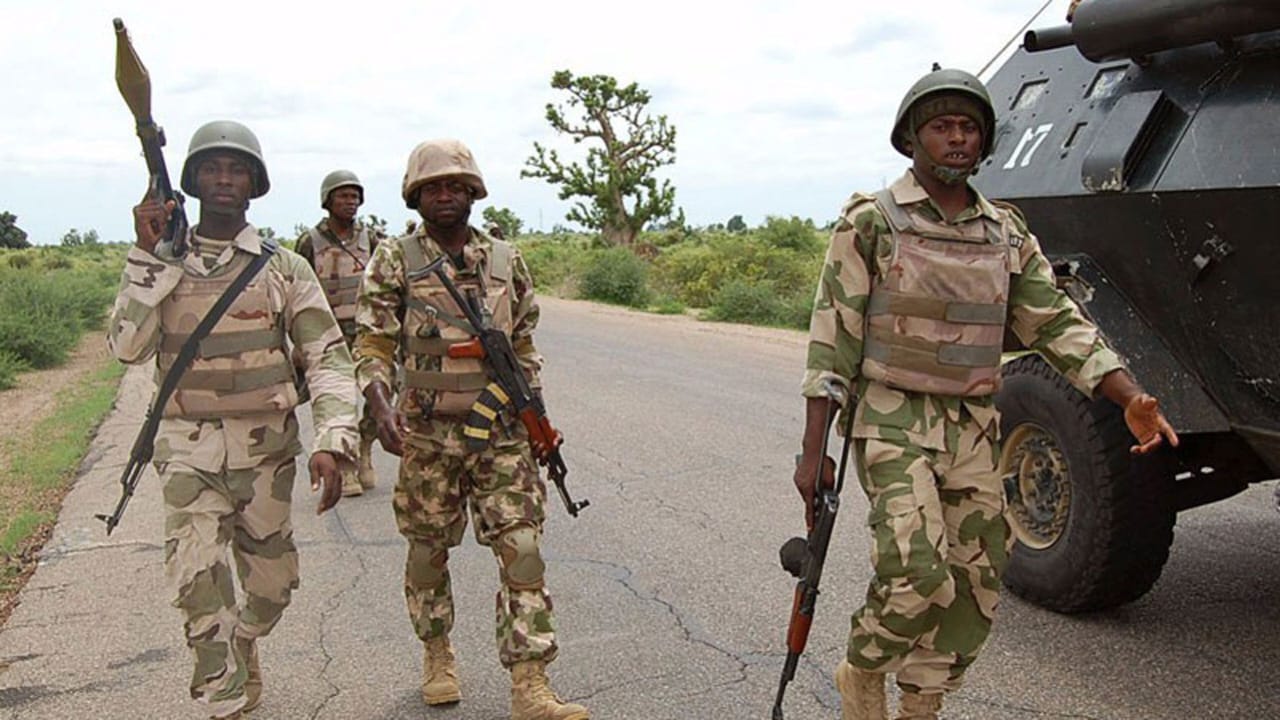
Mutfwang gave the warning during the passing-out parade of the operatives at the New Jos Stadium, where he inaugurated the personnel and commissioned vehicles and motorcycles to strengthen the outfit’s operations.
He charged the operatives to uphold professionalism, impartiality and discipline, stressing that their responsibilities required strict adherence to established rules and regulations.
Describing the occasion as a historic milestone in Plateau State’s quest for lasting peace, the governor urged the personnel to prioritise timely intelligence gathering and information sharing, while strengthening collaboration with conventional security agencies and traditional rulers.
“Today marks a historic day on the Plateau, particularly for Operation Rainbow, as we witness the passing out of the retrained personnel.
“I urge you all to take seriously the need for quick information passage to facilitate timely usage. Be reminded that as you are trained and retrained to enforce the law, you are not above the law,” he said.
Mutfwang clarified that Operation Rainbow was established primarily as an intelligence-gathering outfit to complement conventional security agencies, rather than operate as an independent armed force.
He explained that the operatives, being familiar with their local communities and terrain, could provide valuable support to conventional security forces, particularly when additional personnel were required.
“They are trained and retrained so that they can complement the conventional security forces, and whenever they are short of personnel, the operatives of Operation Rainbow can be handy. More so, they are locals; they know their terrain,” he stated.
The governor also dismissed claims that the outfit was dominated by a particular religious or ethnic group, insisting that its recruitment reflected the diversity of Plateau State, with Muslims, Christians and people from different ethnic backgrounds represented.