By Chuks Oyema-Aziken
The Resource Conservation and Development Initiative (RCDI) International has highlighted significant achievements recorded during the first half of 2026, showcasing its commitment to improving access to safe water, sanitation, hygiene, menstrual dignity and climate resilience in underserved communities across the country.
RCDI in its June 2026 report reflected on activities carried out between January and June, noting that strategic partnerships, community engagement and targeted interventions had contributed to meaningful improvements in the lives of vulnerable populations.
According to the organization, one of the major highlights of the period was its World Water Day intervention in Bonugu Community, Kwali Area Council of the Federal Capital Territory (FCT), where a borehole was rehabilitated to restore access to safe and reliable water for residents.
Beyond the rehabilitation project, RCDI distributed water treatment solutions to households and conducted hygiene awareness campaigns focusing on safe water handling, storage and sanitation practices aimed at reducing waterborne diseases.
As part of the World Water Day celebrations, the organization also joined activities organized by key sector stakeholders. On March 24, RCDI participated in a public sensitization campaign led by the Federal Ministry of Water Resources in Lugbe, promoting sustainable water management and hygiene practices.
The organization further took part in the Rural Water Supply and Sanitation Agency (RUWASSA) World Water Day celebration in Kunyani Gosa, Abuja Municipal Area Council (AMAC), where stakeholders emphasized the importance of collaborative efforts toward achieving universal access to water and sanitation services.
In the area of menstrual health, RCDI commemorated Menstrual Hygiene Day 2026 through its flagship outreach programme, ThriveFlow 2026, held in Kwali Area Council under the theme, “One Conversation: End Period Poverty.”
The event provided a platform for women, adolescent girls and community stakeholders to discuss menstrual health challenges, address stigma and promote menstrual dignity. Participants also received dignity kits and menstrual hygiene support materials to improve menstrual health management.
The programme attracted representatives from RUWASSA, the Federal Capital Territory Ministry of Women Affairs and Social Development, the Local Education Authority (LEA), WASH Coordination Unit, district heads, women leaders and community stakeholders, reflecting broad support for menstrual health advocacy.
RCDI also partnered with the Ministry of Women Affairs and Social Development to mark Menstrual Hygiene Day at the Federal Government Girls’ College, Bwari, where schoolgirls received menstrual health education and awareness aimed at promoting confidence, dignity and school attendance.
As part of its climate action agenda, the organization collaborated with the Ministry of Environment during the 2026 World Environment Day celebration, which featured the launch of a tree-planting initiative at Government Secondary School, Maitama. The exercise encouraged environmental stewardship among students and reinforced the need for sustainable environmental practices.
The organization also strengthened its engagement with national stakeholders through active participation in monthly Water, Sanitation and Hygiene in Emergencies Technical Working Group (WiE-TWG) meetings, contributing to discussions on emergency WASH preparedness and response mechanisms. In addition, RCDI participated in planning meetings of the National Menstrual Hygiene Management Technical Working Group, working alongside government institutions and development partners to enhance menstrual health programming and advocacy across Nigeria.
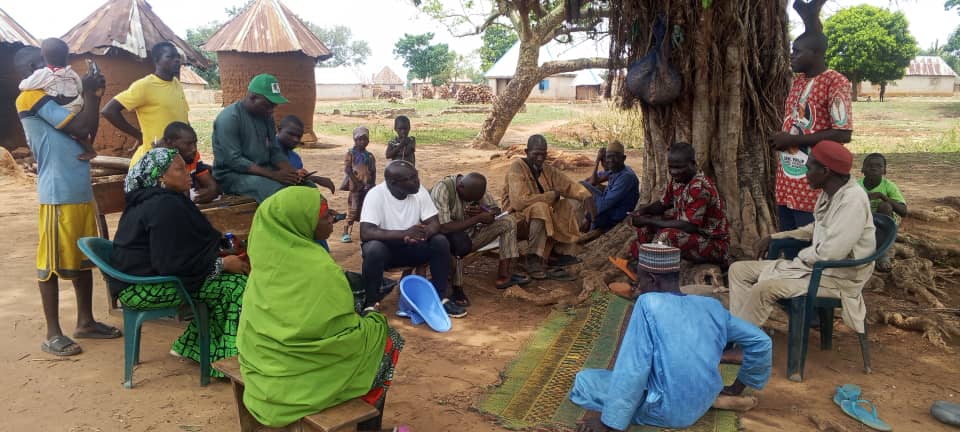
The group further supported the Community-Led Total Sanitation Plus Plus (CLTS++) Open Defecation Free drive in Kwali Area Council under the RUWASSA-led and UNICEF-supported WASH coordination process. The initiative focused on behaviour change, sanitation awareness, household mobilization and sustaining open defecation-free communities.
Speaking on the achievements recorded during the first six months of the year, Minite Okoroh-Oviaesu, Executive Director of RCDI International, said the period demonstrated the value of partnerships and community-driven solutions in addressing critical development challenges.
“The first half of 2026 has demonstrated the power of partnership, community ownership and collective action in addressing critical development challenges. Through our interventions in water, sanitation, hygiene, menstrual health and climate resilience, we have continued to improve the wellbeing of underserved communities while promoting sustainable solutions that can stand the test of time,” she said.
According to her, access to safe water, dignified sanitation, menstrual health services and a healthy environment remains fundamental to sustainable development and human dignity.
“At RCDI, we believe that access to safe water, dignified sanitation, menstrual health and a healthy environment are fundamental rights, not privileges. We remain committed to working with government institutions, development partners, community leaders and volunteers to ensure that no one is left behind,” Okoroh-Oviaesu stated.
She added that the organization would intensify its efforts in the second half of the year by expanding its reach and strengthening collaborations that improve lives and build resilient communities.
“As we move into the second half of the year, our focus will be on deepening our impact, expanding our reach and strengthening partnerships that will enable us to build healthier, more resilient and more sustainable communities across Nigeria. We are grateful to all our partners and supporters whose collaboration continues to make this work possible,” she added.