By Chuks Oyema-Aziken
Nigeria has said its participation at the 31st United Nations Climate Change Conference (COP31) will focus on translating climate commitments into measurable development outcomes that improve livelihoods, create jobs and stimulate economic growth.
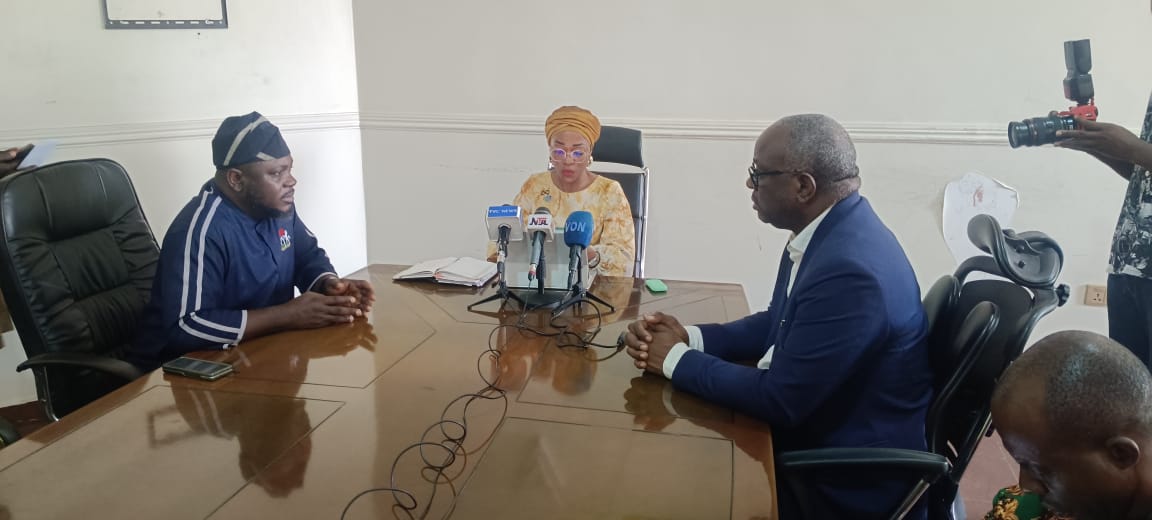
The Director-General of the National Council on Climate Change (NCCC), Mrs Tenioye Majekodunmi, stated this on Thursday at a pre-COP31 press conference in Abuja, where she outlined Nigeria’s priorities ahead of the global climate summit scheduled to hold in Antalya, Türkiye.
Speaking on the theme, “Nigeria at COP31: From Commitment to Implementation,” Majekodunmi said Nigeria was shifting from making climate pledges to implementing practical measures that deliver tangible benefits to citizens.
She explained that the country’s climate strategy would prioritise access to climate finance, green investments, institutional strengthening and partnerships capable of supporting sustainable economic development.
According to her, climate action should be assessed not only by its contribution to reducing greenhouse gas emissions but also by its impact on employment, incomes and the overall well-being of Nigerians.
Majekodunmi identified policy consistency, credible institutions, bankable projects and predictable regulations as critical to attracting long-term private-sector investment into Nigeria’s climate and energy transition sectors.
“Capital follows certainty,” she said, emphasising the need for Nigeria to present viable projects and investment opportunities to development partners and private investors at COP31.
She outlined what she described as the four Ds of climate finance and implementation: dollars, deals, deliveries and dividends.
Under the approach, she said, climate finance commitments must translate into actual funding, support viable projects, deliver measurable results and generate economic benefits for Nigerians.
The NCCC director-general added that Nigeria’s negotiators were identifying the country’s priorities, potential areas of compromise and red lines to ensure that its national interests were protected during negotiations.
She disclosed that the council had sustained its Structured Mentorship Programme and introduced the Nigeria Climate Negotiator Network and a Digital Resource Repository to strengthen negotiation capacity and preserve institutional knowledge.
Majekodunmi also announced the launch of the NCCC Annual Media Training Programme to improve journalists’ understanding of climate change, climate finance, energy transition and the economic opportunities associated with climate action.
She urged journalists to expand climate reporting beyond environmental impacts and emissions to include carbon markets, adaptation, green industrialisation, employment and investment opportunities.
The Senior Special Assistant to the President on Climate Change Matters, Mr Yussuf Kelani, called for accurate and comprehensive reporting of Nigeria’s participation in international climate negotiations.
Kelani urged journalists to work closely with the NCCC to improve public understanding of climate finance, energy transition, loss and damage funding, gender issues and other critical areas.
He also advocated communicating climate information in local languages to ensure that communities understand the effects of climate change and the measures being taken to address them.
Similarly, the NCCC Assistant Director, Mr Okebugwu Chukwuemeka, said Nigeria was strengthening its participation in Sustainable Development Goals processes and international climate negotiations, particularly on adaptation, mitigation and just transition.
He added that the country was deepening its engagement through regional platforms, including the Economic Community of West African States, to ensure that Nigeria’s priorities were adequately represented in regional and global climate discussions.