By Jane Okeke
The future of cancer care in Africa came into sharp focus in Abuja as leading oncologists, researchers and health policymakers from across the continent and beyond gathered to chart practical solutions for improving cancer prevention, diagnosis and treatment.
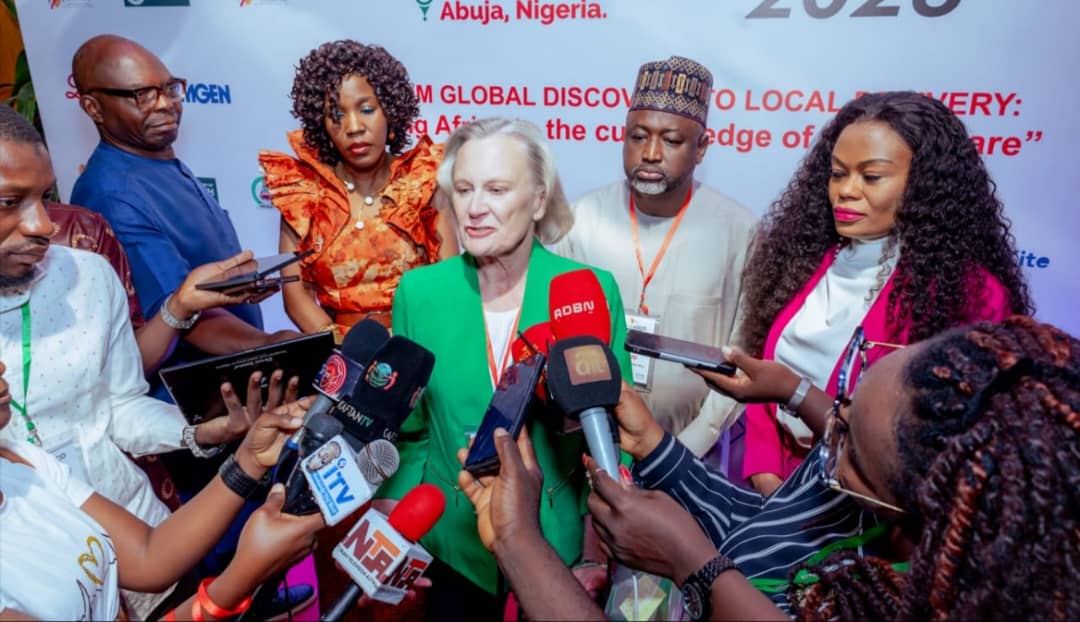
The experts met at the 2026 AORTIC Best of ASCO Africa Conference, held from July 10 to 11 at the Transcorp Hilton Abuja, where they reviewed the latest scientific breakthroughs presented at the 2026 American Society of Clinical Oncology (ASCO) Annual Meeting in Chicago.
Held under the theme, “From Global Discovery to Local Delivery: Driving Africa to the Cutting Edge of Cancer Care,” the conference examined how cutting-edge cancer research and innovations can be translated into affordable, effective and patient-centred care across African countries.
Speakers noted that although remarkable progress has been made globally in cancer diagnosis and treatment, many Africans continue to face late diagnosis, inadequate specialist services and limited access to life-saving medicines.
They urged governments across the continent to invest more in cancer research, strengthen early detection and screening programmes, expand treatment centres and remove financial barriers that prevent patients from accessing quality care.
The Federal Government reaffirmed its commitment to improving cancer prevention and treatment through increased investment in research, innovation, healthcare infrastructure and strategic partnerships aimed at expanding access to oncology services.
Conference Planning Committee Chair, Dr. Abiola Ibraheem, described the meeting as a critical platform for equipping African clinicians and researchers with the latest evidence-based knowledge to improve patient outcomes and strengthen cancer care delivery.
International oncology leaders, including Dr. Julie Gralow and Prof. Miriam Mutebi, called for stronger collaboration, African-led research and sustained innovation to address the continent’s growing cancer burden.
Participants agreed that partnerships among governments, research institutions, healthcare professionals and development partners will be crucial to accelerating progress towards equitable and accessible cancer care across Africa.
The conference ended with a renewed commitment to ensuring that the latest global advances in cancer treatment are translated into practical solutions that save lives and improve the quality of care for millions of Africans.