The Human Rights Writers Association of Nigeria (HURIWA) has thrown its weight behind the Department of State Services (DSS) over its decision to challenge the life sentences handed to two senior commanders of the Ansaru terrorist group, describing the punishment as inadequate considering the gravity of the offences.
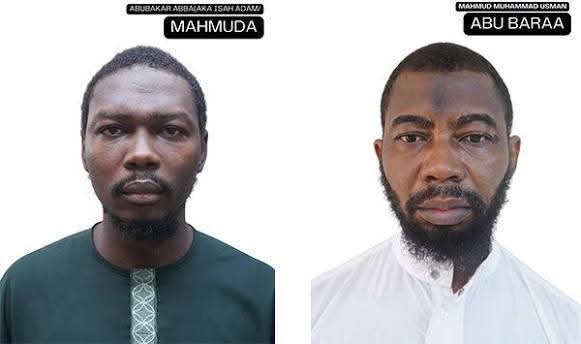
In a statement signed by its National Coordinator, Comrade Emmanuel Nnadozie Onwubiko, the rights group argued that the sentence imposed on Mahmud Usman, popularly known as Abu Bara’a, Abbas and Mukhtar, alongside his deputy, Abubakar Abba, alias Mahmud al-Nigeri (Malam Mamuda), failed to reflect the scale of the atrocities allegedly committed by the terrorist network.
The duo had pleaded guilty to a 32-count terrorism charge before being sentenced to life imprisonment.
According to HURIWA, the case extends beyond the conviction of two individuals and represents a test of justice for victims of terrorism across Nigeria, including families who lost loved ones, communities devastated by insurgent attacks and security personnel who died while defending the country.
The organisation noted that its position aligns with disclosures by the DSS indicating that kidnappers who abducted pupils and teachers in Oriire Local Government Area of Oyo State allegedly demanded the release of the convicted Ansaru leaders as a condition for freeing their captives. It added that the security agency also reported that two teachers were allegedly killed during the incident in an effort to pressure the government.
HURIWA further referenced comments by former Assistant Director of the DSS, Dennis Amachree, who reportedly identified the convicts as senior figures within a terrorist organisation accused of carrying out some of the country’s most brutal attacks.
According to the group, Amachree alleged that the terrorists filmed the execution of a teacher and circulated the footage to instill fear among Nigerians. He also reportedly linked the same network to attacks that claimed the lives of senior military officers, including generals involved in counter-insurgency operations.
The association maintained that, if those allegations formed part of the evidence supporting the convictions, they represented crimes of extraordinary brutality directed against both civilians and security personnel.
It therefore argued that the appeal filed by the DSS was both legally and morally justified, urging the appellate court to determine whether the punishment imposed adequately reflected the seriousness of the offences and fulfilled the goals of justice, accountability, deterrence and public protection.
HURIWA stressed that Nigeria’s ongoing battle against terrorism requires a justice system capable of demonstrating zero tolerance for acts of mass violence and terror carried out after due legal process.
The group also clarified that its position was not motivated by revenge but by the need to ensure that punishments handed down after fair trials remain proportionate to the severity of the crimes committed, warning that lighter penalties could erode public confidence in the justice system and deepen the pain of victims’ families.
It called on the Court of Appeal to give the DSS appeal accelerated hearing in the public interest, insisting that justice should not only be served but must also reflect the devastating impact of terrorism on innocent Nigerians and the nation’s security.