By Chuks Oyema-Aziken
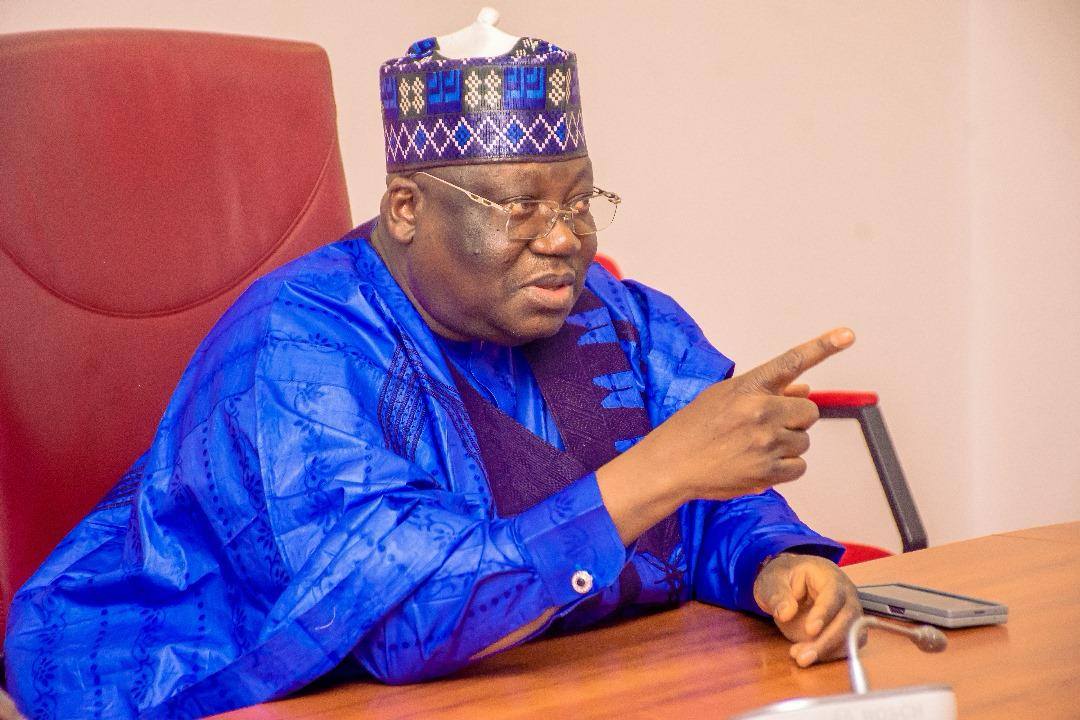
Former President of the Senate, Senator Ahmed Lawan, has called for the budgets of the Armed Forces of Nigeria (AFN) and other security agencies to be placed on first-line charge to guarantee timely funding and strengthen the country’s security architecture.
Lawan, who chairs the Senate Committee on Defence, said the proposal would help address challenges associated with budget releases and ensure that the military and other security agencies receive the resources required to discharge their constitutional responsibilities.
He made the call on Monday while delivering a goodwill message at an event organised by the Defence Correspondents Association of Nigeria (DECAN), where he commended President Bola Tinubu for making more resources available to the Armed Forces and other security agencies.
According to him, although Nigeria may not have attained its desired level of security, significant progress has been made in efforts to tackle insurgency, banditry and other criminal activities across the country.
“We may not be where we want to be, but I am convinced from what I know that we are making huge progress to keep Nigeria safe,” Lawan said, attributing the progress to the sacrifices of military personnel and other security operatives.
The former Senate President, who has spent more than 27 years in the National Assembly, said he was yet to see an executive request for the Armed Forces and other security agencies that was not approved by the legislature.
He, however, stressed that increased government revenue should translate into improved investment in military equipment, weapons and operational platforms to enhance the effectiveness of the security agencies.
“As we receive more and more revenues, better revenues than before, especially outside of the war, I think we need to have more platforms, more weapons, purchase in bulk,” he said.
Lawan argued that dedicating a specific percentage of government revenue to equipping the military and other security agencies would provide a more sustainable funding framework for national security.
He maintained that personnel deployed to combat insurgency and other security threats must be adequately equipped if they were expected to achieve the desired operational results.
“You cannot send someone to go out and fight with little and, of course, expect much success,” he said, while commending troops for their continued efforts despite resource constraints.
The senator also urged Nigerians to recognise that national security was a collective responsibility requiring contributions from both uniformed personnel and civilians.
He commended defence correspondents and other journalists for informing citizens about the activities, sacrifices and operational challenges of the Armed Forces, noting that responsible reporting was essential to public understanding of national security.
According to him, citizens need to understand not only what the military is doing to protect the country but also how they can contribute to efforts to improve security.
In his goodwill message, the Permanent Secretary, General Services Office of the Secretary to the Government of the Federation, Dr Ibrahim Kana, also praised defence correspondents for their role in projecting Nigeria’s image and reporting the activities of the Armed Forces.
Kana, who said he maintained cordial relationships with journalists during his time in the Ministry of Defence, described defence correspondents as important sources of information on the country’s security situation, given their engagement with military personnel and operations.
He urged journalists to sustain responsible reporting, noting that information published in traditional and social media platforms could influence how foreign governments and diplomatic missions assessed Nigeria.
Also speaking, Director-General, Voice of Nigeria, Jibrin Ndace said defence journalism remained an important pillar of national security communication, emphasising the need for a balanced relationship between the military and the media.
Ndace, who represented the Minister of Information, Alhaji Mohammed Idris highlighted the importance of professionalism, access to information and responsible reporting, urged journalists to report military operations with compassion, particularly when civilian casualties and grieving families were involved.
He cautioned against insensitive descriptions of human remains in reports on military or aviation incidents, stressing that journalists and editors must consider the impact of their reports on victims’ families and the wider public.
He also urged military authorities to recognise that providing journalists with appropriate access to information was essential to strengthening public understanding of security operations.
The speakers called for sustained cooperation among the government, Armed Forces, legislature and media in advancing national security, while commending military personnel for their sacrifices in protecting Nigeria’s territorial integrity and citizens.