By Stella Odueme
Civil society organisations have called on the Independent National Electoral Commission (INEC) to demonstrate its preparedness for the 2027 general elections through verifiable evidence, warning that assurances alone cannot restore public confidence in the electoral process.
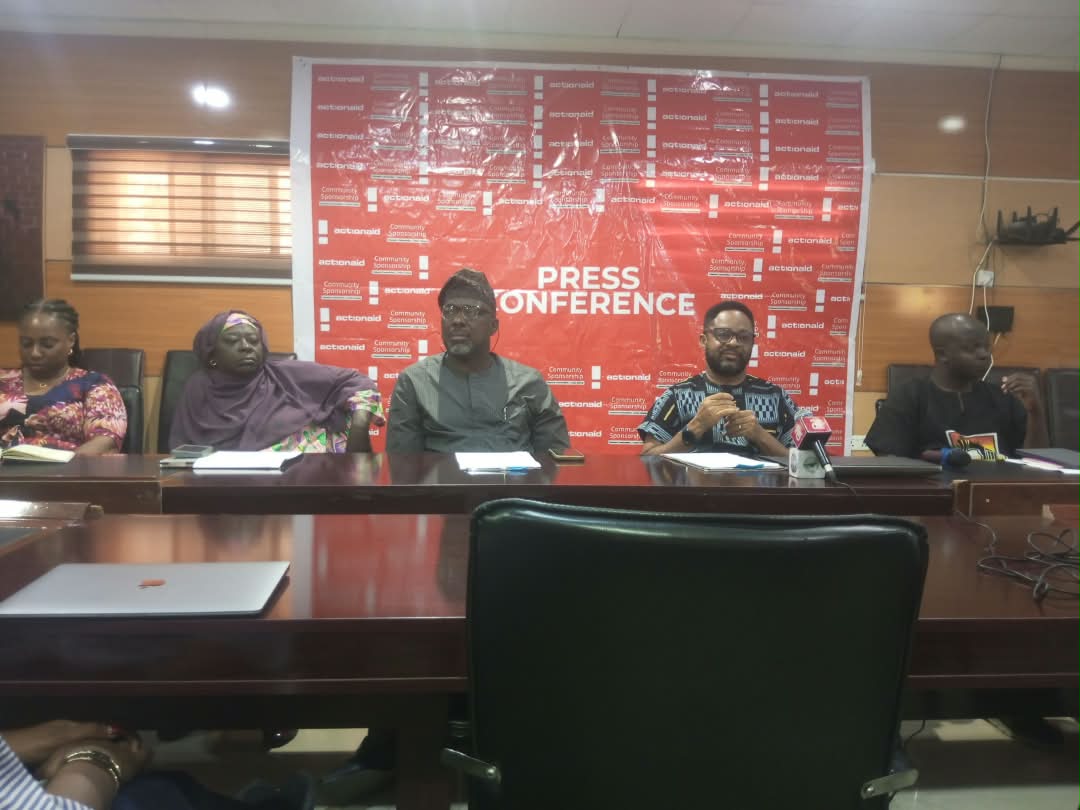
The groups, led by ActionAid Nigeria, Centre for Leadership, Strategy and Development (Centre LSD), Abuja School of Social and Political Thoughts, MOTION and other partners, made the demand in a joint statement issued in Abuja at a press briefing on Wednesday delivered by the ActionAid Nigeria Country Director.
Other partners include Dr. YZ, Convener of the Nigeria Civil Society Situation Room; Ene Obi, Founder of the Ene Obi Foundation, and Hassan Taiwo, popularly known as Soweto, of the Education Rights Campaign.
They stressed that credible elections required effective logistics, transparent recruitment and training of electoral personnel, reliable technology, clear procedures for results management and adequate security arrangements.
The organisations warned that weaknesses in any of these areas could disrupt voting, undermine public confidence and create opportunities for electoral manipulation.
According to them, preparations for credible elections must begin months before election day through the procurement and distribution of sensitive materials, training of ad hoc personnel, testing of technological systems, updating of the voters’ register and coordination with security agencies.
They recalled the operational challenges that characterised the 2023 general elections, including late arrival of election materials, malfunctions of the Bimodal Voter Accreditation System (BVAS) and controversies surrounding results transmission.
“Public confidence will not be restored by assurances alone. It must be built through transparency, operational competence and accountability,” the statement said.
The groups acknowledged INEC’s recent announcements on logistics, procurement of additional election materials, security arrangements and personnel recruitment but insisted that such measures must translate into tangible results across the country.
They expressed particular concern about the difficulties of delivering election materials to riverine communities in the Niger Delta, areas affected by insecurity in the North-West and hard-to-reach locations in the North-East.
The organisations said the critical question was not whether election materials had been procured in Abuja but whether the right materials would reach the appropriate polling units in sufficient quantities and before voting commenced.
They therefore urged INEC to publish a comprehensive logistics plan detailing distribution timelines, transportation arrangements, contingency measures for difficult terrains and procedures for addressing shortages before voting begins.
The groups also called for adequate backup arrangements for technological devices and other election equipment to prevent prolonged delays when equipment malfunctions.
On personnel recruitment, they expressed concern about the selection, political neutrality, training and security of the large number of ad hoc staff expected to participate in the elections.
They said civil society organisations had formally requested access to monitor INEC’s ongoing recruitment exercise and publicly report their findings but were still awaiting the commission’s response as of October 28.
The groups argued that transparent recruitment and independent monitoring would help address concerns about political interference and improve public confidence in the electoral process.
They also raised concerns about the safety of electoral personnel following disclosures by INEC Chairman, Prof. Joash Amupitan, that the Department of State Services had foiled an alleged plot targeting NYSC ad hoc staff ahead of the 2027 elections.
The statement further referenced allegations by former Resident Electoral Commissioner, Mike Igini, that politicians had allegedly recruited non-corps members using NYSC uniforms to infiltrate electoral operations.
The organisations stressed that such allegations required appropriate scrutiny and that measures must be put in place to prevent unauthorised individuals from participating in election administration.
They called on INEC to ensure that political neutrality was a fundamental requirement for electoral appointments and that personnel were adequately trained to handle accreditation devices, election materials, result sheets and security-related incidents.
On technology and results management, the groups urged the commission to conduct realistic tests of its electoral systems under conditions involving poor internet connectivity, equipment failure and high voter turnout.
They argued that testing should reflect the scale and demands of presidential elections, noting that technological challenges during the 2023 elections raised questions about the reliability of the results management process.
The organisations also demanded clear and publicly accessible procedures for recording, uploading, reconciling and collating election results in accordance with Sections 60 and 64 of the Electoral Act.
They maintained that every result must be traceable, verifiable and protected against unauthorised alterations.
As part of their demands, the groups urged INEC to publish a recruitment dashboard showing applications, screening and certification figures across states and, where possible, local government areas.
They also called for biometric verification of NYSC members, publication of training completion rates backed by evidence of practical simulations, and the establishment of a reserve pool of at least 20 per cent additional personnel to replace absentees and those unable to perform their duties.
Other demands included public disclosure of welfare packages, daily allowances, insurance coverage and security arrangements for electoral personnel, particularly those deployed to hard-to-reach areas.
The groups recalled reports of unpaid allowances and personnel shortages during previous elections, warning that such challenges must not be allowed to recur in 2027.
Speaking in support of the statement, representatives of the participating organisations said sustained public pressure was necessary to ensure that INEC fulfilled its constitutional responsibility.
They argued that electoral transparency should not depend on repeated demands from citizens and civil society groups, insisting that the commission should proactively disclose information about its preparations.
They also stressed the need for greater transparency in the management of the voters’ register, recruitment of electoral personnel and implementation of electoral procedures.
The groups warned that inadequate transparency could further deepen voter apathy and erode public trust in democratic institutions.
They maintained that Nigerians remained interested in participating in elections but that electoral institutions must demonstrate accountability and provide credible evidence that the process would be free, fair and transparent.
“Readiness must be demonstrated, not declared,” the organisations said, urging INEC to publish its plans, provide updates on implementation and make its preparations open to public scrutiny.
They called on civil society organisations, student movements and other stakeholders across the country to intensify efforts to monitor electoral preparations and demand accountability ahead of the 2027 general elections.
The signatories said preventing avoidable electoral failures was essential to protecting the votes of Nigerians and ensuring that the outcome of the 2027 elections reflected the will of the people.