By Mercy Aikoye
The Deputy Speaker of the House of Representatives, Hon. Benjamin Kalu, has said the National Assembly is using its current recess to strengthen the legislative framework for the proposed establishment of state police, assuring that funding will not stand in the way of its implementation.
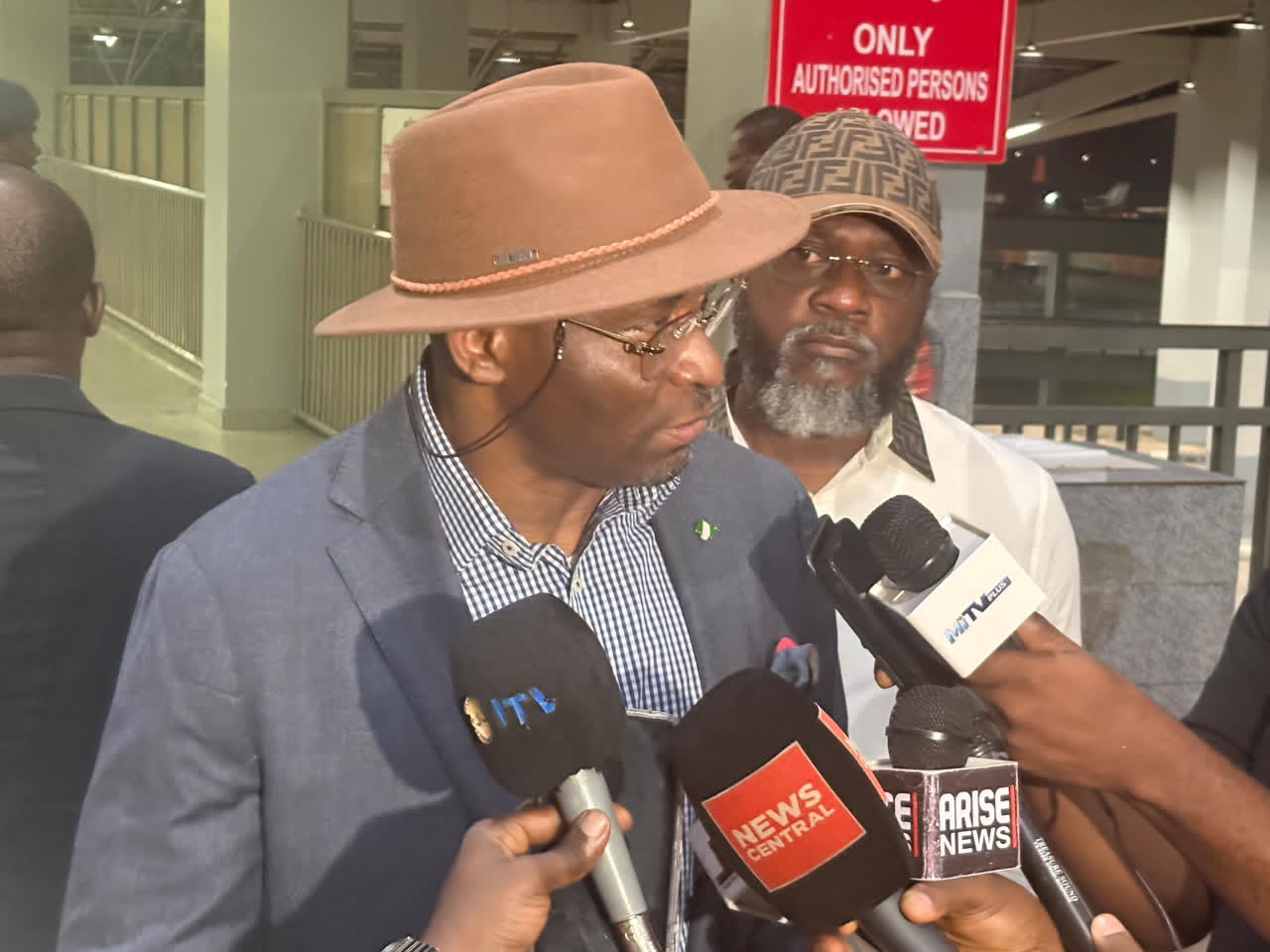
Speaking with journalists in Abuja on Friday after returning from engagements at Chatham House and the London Climate Action Week in the United Kingdom, Kalu said lawmakers were refining the constitutional amendment to ensure the proposed policing system is backed by a solid legal foundation.
He disclosed that Parliament was exploring sustainable funding mechanisms to support state police, while noting that increased allocations to states by the Federal Government had created room for states to shoulder additional security responsibilities.
According to him, the administration of President Bola Tinubu has embraced true federalism by significantly increasing financial transfers to state governments, making it easier to implement state policing.
Kalu said lawmakers were also considering other funding options to ensure financial constraints do not undermine the success of the initiative.
Addressing concerns that governors could misuse state police for political purposes, the Deputy Speaker said the proposed constitutional amendment contains safeguards to prevent abuse. He explained that the draft legislation sets out the powers, duties and responsibilities of state police and establishes national minimum operational standards that every state must meet.
He stressed that while states may adopt higher operational standards, they would not be permitted to operate below the national benchmark or deploy state police for partisan purposes.
The Deputy Speaker further disclosed that once the constitutional amendment is passed, the National Assembly would move to repeal and re-enact the Police Act to provide the legal framework for the operation of state police and address concerns raised by stakeholders.
On the security situation, Kalu maintained that insecurity across the country was declining rather than worsening. He cited a reduction in the number of local government areas previously under insurgent control from 17 to fewer than six as evidence of progress.
He also highlighted increased investment in the defence sector, saying allocations had risen from about ₦2.1 trillion to over ₦5 trillion under the current administration. According to him, lawmakers are advocating for defence funding to be placed on the first-line charge to guarantee timely release of resources for security operations.
Kalu said he presented these developments during discussions at Chatham House, where he briefed international stakeholders on Nigeria’s security reforms and preparations for the 2027 general elections.