By Stella Odueme
The Christian Social Movement of Nigeria (CSMN) has issued a strong rebuttal to the recent statement by the Nigerian Supreme Council for Islamic Affairs (NSCIA), accusing the Islamic body of misrepresenting comments made by prominent Christian leader, Ayo Oritsejafor, and attempting to shift attention from the country’s security challenges.
In a statement signed by its Chief Executive Officer and Executive Secretary, Bosun Emmanuel, on Friday, the socio-political arm of the Nigeria Church described the NSCIA’s earlier warning to the Federal Government to act before Muslims “run out of patience” as “provocative” and “insensitive.”
The group said it was “shocked at the impudence” of the Islamic body, arguing that rather than issuing warnings to the government, the NSCIA should have expressed concern over the activities of extremist groups responsible for years of violence across Nigeria.
“The Christian Social Movement of Nigeria is shocked at the impudence of the NSCIA in alleging injury and offense at a supposed wrongful profiling of the Muslim faith,” the statement read.
“One had expected the NSCIA to have been more civil, apologising to Nigerians, particularly the Christian community, for the destruction that Islamic insurgents have caused in the country.”
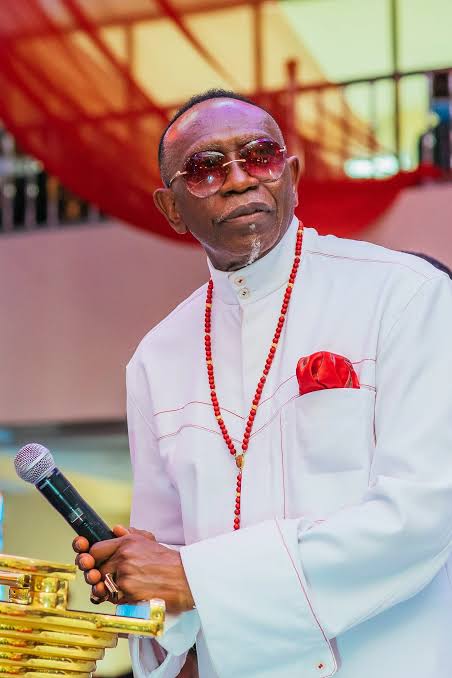
The organisation also defended former President of the Christian Association of Nigeria, Pastor Ayo Oritsejafor, insisting that his recent comments during a television interview had been deliberately distorted.
According to the CSMN, the NSCIA incorrectly claimed that Oritsejafor said “90 to 95 per cent of criminals were Muslims,” whereas, it argued, the cleric’s actual statement referred specifically to those responsible for insecurity in the country.
“What the respected Christian leader said was this: ‘When you look at insecurity in Nigeria today, I would tell you that 99.9% of those who are practising and making this thing thrive are Muslims, not Christians,'” the statement quoted.
“The NSCIA spokesman deliberately twisted that statement to incite the gullible. He deliberately avoided to quote the word ‘insecurity,’ preferring ‘criminals’ instead.”
The CSMN maintained that Oritsejafor did not label Muslims as criminals but expressed concern over the religious identity of individuals and groups allegedly responsible for acts of terrorism and violent insecurity in Nigeria.
The organisation further alleged that major terrorist organisations operating in Nigeria are made up of Muslim adherents and argued that the leadership of the NSCIA should take greater responsibility in condemning such violence.
Referring to the President-General of the NSCIA, Sa’ad Abubakar, the group said:
“It is curious that the Sultan has not deemed it fit to call his subjects and followers to order for the carnage and destruction that they have brought upon Nigeria.”
“While the Sultan may deny complicity in the ongoing bloodshed in Nigeria, he cannot absolve himself of criminal negligence. As the head of the Islamic Ummah in Nigeria, it is negligence on his part that his followers are terrorising the country.”
The CSMN also rejected the NSCIA’s reference to a suspect linked to the kidnapping of schoolchildren and teachers in Oriire Local Government Area, who was reportedly described as a Christian pastor.
The organisation questioned the claim and argued that the actions associated with the kidnappers did not reflect Christian beliefs.
“Will a Christian demand the implementation of Sharia in Oyo State as the ransom for freeing his captives, or demand that arrested Muslim terrorists be released?” the statement asked.
The group further accused the NSCIA of promoting what it described as misleading narratives intended to deflect attention from violent extremism.
Calling on President Bola Ahmed Tinubu to intervene, the CSMN urged the Federal Government to engage religious leaders in addressing insecurity.
“The Christian community is appealing to President Tinubu to call his religious compatriots to order,” the statement said.
“The Christian community has been patient under intensive provocation, and the mischievous distortion of narratives should not continue to be tolerated.”
The statement concluded by reiterating that the government should task the Sultan of Sokoto with encouraging peace among his followers while renewing its call for decisive action against terrorism and insecurity across the country.