By Daniel Tyokua
Experts have called for proactive government policies and data-driven social protection measures to shield vulnerable Nigerians from the combined effects of climate shocks and conflicts on jobs and livelihoods.
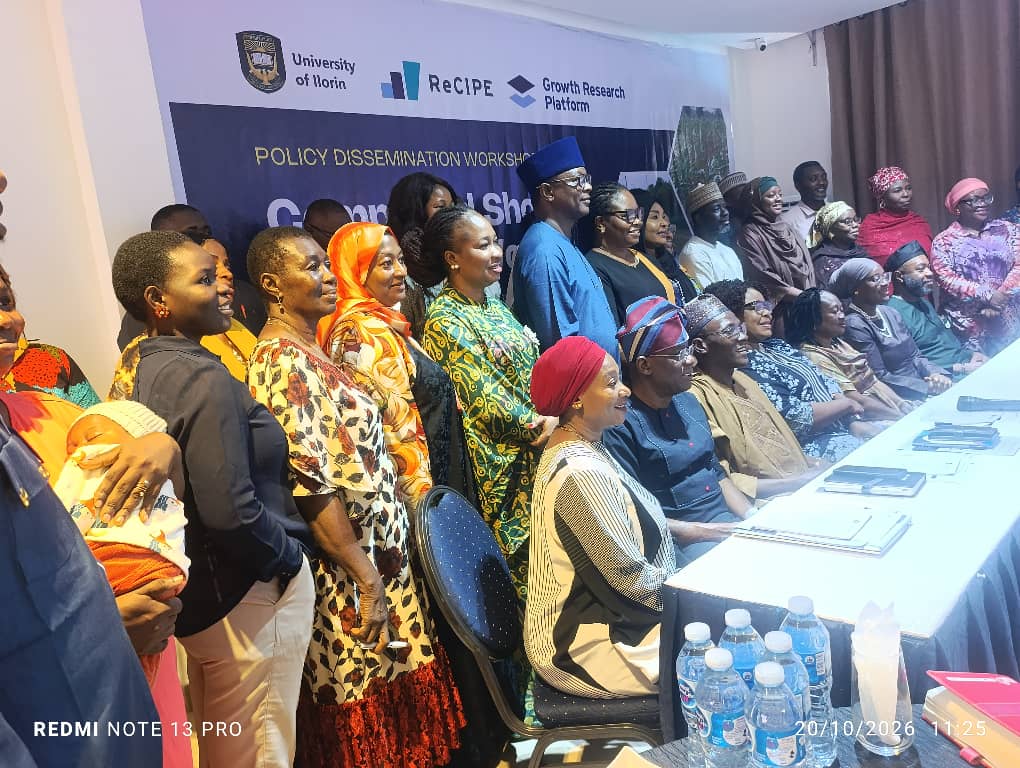
They made the call on Tuesday at a policy dissemination workshop on Climate, Conflict and Gendered Work in Nigeria, held in Abuja, where participants examined how flooding, drought, extreme heat and insecurity affect men and women differently in the labour market.
The convener, Dr. Khadijat Busola Amolegbe, of the Department of Agricultural Economics and Farm Management, University of Ilorin, emphasised the need for coordinated interventions to address the interconnected challenges.
Speaking on Making Nigeria’s Social Protection Respond to Climate and Conflict Shocks, Amolegbe said the workshop presented findings from research conducted over approximately 12 months and explored policy options to address the identified challenges.
She said the research examined how conflict events and climate-related disasters shape employment opportunities and labour market outcomes for men and women.
Also speaking, the Global Lead of Women Environmental Programme, Dr. Priscilla Achakpa, urged governments and relevant stakeholders to prioritise preparedness rather than wait for disasters to occur before responding.
Achakpa said effective planning and proactive measures were critical to mitigating the effects of climate shocks and conflicts on affected communities.
Similarly, the Head of the National Social Register at the National Social Safety Nets Coordinating Office, Mohammed Bala, called for an integrated approach linking social protection, climate change and conflict-risk mitigation.
He said the approach, known as adaptive social protection, required reliable data to identify vulnerable households and ensure that interventions reached those who needed them most.
Bala described the National Social Register as a critical planning tool for identifying poor and vulnerable households but said its current coverage remained below the level required to meet the country’s needs.
On poverty estimates, he said the 2019 Nigeria Living Standards Survey put the poverty rate at 40.1 per cent, while a more recent World Bank estimate placed it at 53 per cent.
He added that multidimensional poverty affected about 63 per cent of Nigerians, underscoring the need to expand the register and strengthen social protection programmes.
According to him, the register currently covers about 20 million households, representing approximately 78 million individuals, but more work is needed to reach the country’s vulnerable population.
He said improved data collection and coordination would help government design more effective interventions for households exposed to climate shocks, conflicts and economic hardship.