By Chuks Oyema-Aziken
The Chairman of the Board of Trustees of the Nigerian Alliance for Clean Cooking, Ewa Eleri, has raised the alarm that nearly 120,000 Nigerians die annually from household air pollution, calling for increased investment in carbon finance to make clean cooking affordable.
Eleri, who is also the Chief Executive Officer of the International Centre for Energy, Environment and Development (ICEED), said the high cost of cooking fuels and appliances was preventing many households from switching from firewood and charcoal to cleaner alternatives.
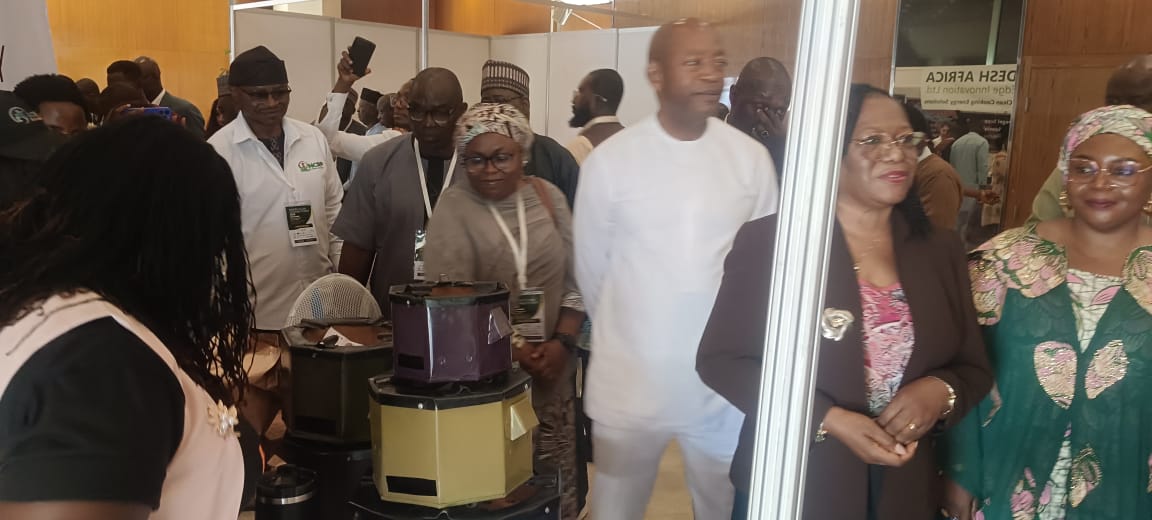
He spoke at the Nigeria Clean Cooking Forum 2026, held from October 28 to 29 at the Transcorp Hilton, Abuja, with the theme, “Clean Cooking Energy for All in Nigeria: Unlocking and Diversifying Finance for Nigeria’s Clean Cooking Transition.”
According to Eleri, rising cooking gas prices have forced some households that previously used gas to return to firewood and charcoal, worsening health risks, accelerating deforestation and undermining Nigeria’s climate change commitments.
He said the affordability crisis was particularly affecting poor and low-income families, making it difficult for them to sustain the use of cleaner cooking fuels.
“Over the years, the price of cooking gas has more than doubled. And for poor families, especially salaried families, it has almost become impossible. And now, those who were using gas before are now coming back to use wood and charcoal,” he said.
Eleri explained that the forum brought together government agencies, private-sector operators and development partners to explore financing mechanisms that could reduce the cost of clean cooking fuels and appliances.
He identified carbon finance as a major opportunity to bridge the affordability gap and enable low-income households to adopt cleaner cooking technologies.
“Government is very reluctant to introduce subsidies for poor people for cooking. But there is this carbon finance opportunity that will reduce the cost of fuels and make it easier for people to buy new appliances and stoves,” he said.
Also speaking, the Founder and Chief Executive Officer of Toyola Energy Group, Suraj Wahab, said affordability and accessibility remained major barriers to clean cooking adoption in Nigeria and other West African countries.
Wahab, whose company produces and distributes clean cooking solutions in Nigeria and seven other West African countries, said it had introduced flexible payment arrangements to help low-income households acquire improved cookstoves.
He disclosed that some household stoves sold by the company cost between ₦7,000 and ₦10,000, but many families could not afford to pay the full amount upfront.
To address the challenge, he said Toyola allowed customers to pay in weekly instalments of about ₦1,000 and deployed small delivery vehicles to distribute the products directly to communities and households.
He added that the company subsidised its stoves, selling them at about half their production cost to make them accessible to more people.
According to Wahab, households could use the money saved through reduced fuel consumption to pay for their stoves gradually, easing the financial burden of switching to cleaner cooking.
He said wider adoption of clean cooking would reduce deforestation and greenhouse gas emissions while protecting vulnerable groups, particularly women and children, from the harmful effects of indoor air pollution.
Wahab expressed concern that Nigeria was still grappling with the problem decades after he witnessed the health hazards of cooking in smoke-filled kitchens during his childhood.
Dr. Iniobong Awe, Director of Climate Change at the Federal Ministry of Environment, said the government recognised the importance of clean cooking in addressing public health, environmental degradation and climate change challenges.
Awe said the government would continue to support policies and programmes aimed at promoting clean cooking, noting that stronger institutional backing was necessary to expand access to cleaner fuels and technologies nationwide.
The stakeholders stressed that stronger collaboration among government, the private sector, development partners and carbon finance institutions was critical to accelerating Nigeria’s clean cooking transition, reducing preventable deaths and improving the lives of vulnerable households.